January 5, 2026 · Natalia Mejia — Paramedical Tattoo & Scar Specialist in NYC
Why Scar Creams Don’t Work on Mature Scars, and What Actually Helps
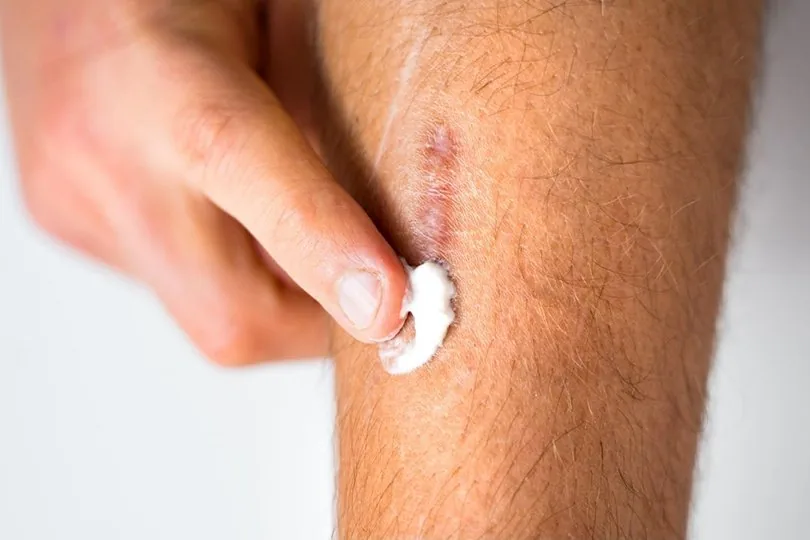
Scar creams don’t work on mature scars because they act only on the surface of the skin, while the problem lies in the deeper scar tissue: disorganized collagen, reduced blood supply, and lost elasticity. Creams and silicone can help during early healing by hydrating the skin and calming inflammation, but once a scar is mature, it needs treatments that remodel the tissue. Layering more products usually makes things worse, not better.
If you have tried scar creams, silicone sheets, oils, or home remedies and your scar still looks the same, you are not alone. I meet many people who reach this point after months, sometimes years, of consistently applying products that promised dramatic results. That experience can be frustrating, confusing, and emotionally exhausting. Understanding why creams stop working is the first step toward a more effective and realistic approach.
When Do Scar Creams Work, and When Don’t They?
Topical scar products are not useless, but their effectiveness depends heavily on timing and scar type:
| Early healing | Mature scar | |
|---|---|---|
| What creams and silicone can do | Hydrate the skin, reduce surface inflammation, and support proper scar formation | Improve moisture on the surface only |
| What they can’t do | Replace sun protection and gentle care | Reach the deeper scar tissue, reorganize collagen, or change its structure |
| What helps most | A simple routine: hydration and sun protection | Regenerative treatments that remodel the tissue |
Why Are Mature Scars So Difficult to Treat?
To understand why surface treatments stop working, it helps to look beneath the skin. When the body heals after surgery, trauma, burns, or inflammation, it forms scar tissue that is structurally different from normal skin. Mature scars often have:
- Disorganized collagen fibers aligned in one direction.
- Reduced blood supply, which affects color and healing.
- Decreased elasticity, which leads to tightness, thickness, or rigidity.
These internal changes explain why mature scars feel different, and why hydration alone cannot correct them. This is especially true for older scars, hypertrophic and atrophic scars, and scars affected by necrosis.
Can Using More Products Make a Scar Worse?
Yes. Many of my clients arrive with a bathroom cabinet full of creams, oils, gels, silicone sheets, and serums, sometimes used all at once, and their scar looks the same or even more irritated. When it comes to scar care, more products do not mean better results. Scar tissue is already sensitive and reactive, and when too many products are layered, especially active ingredients such as acids, retinoids, or brightening serums, the skin shifts into a defensive state. Overloading it can cause:
- Increased irritation: redness, sensitivity, and inflammation that slow healing.
- A higher risk of darkening: inflammation is one of the main triggers of post-inflammatory hyperpigmentation, so trying to fade a scar with too many products can make it darker.
- Barrier disruption: constant product changes and over-application weaken the skin barrier and make scar tissue more fragile.
- Frustration and wasted money: many people spend hundreds, sometimes thousands, on products that never address the structure of the scar.
Social media trends change every week, but your scar does not. Viral “miracle” products and aggressive DIY treatments often fail because they work only on the surface, while scars live deep within the tissue.
What Does Your Scar Actually Need?
Instead of overwhelming the skin, I encourage three essential pillars:
- Hydration: a simple, fragrance-free moisturizer used consistently is far more helpful than several layered products. You can read more about the benefits of hydration.
- Sun protection: UV exposure is one of the most common reasons scars stay dark or darken again. Daily sunscreen on the scar is essential, especially during the first year.
- Professional scar treatment: this is where real change happens, because regeneration works at the tissue level.
What Do Regenerative Scar Treatments Do Differently?
Regenerative treatments support the skin’s natural remodeling process instead of masking the surface. They aim to:
- Encourage collagen reorganization.
- Improve blood flow and oxygenation.
- Increase flexibility and tissue mobility.
- Gradually improve texture and tone.
Rather than creating a new wound, they work with the existing tissue to help it adapt and improve progressively. This is something no cream alone can achieve.
Can Old Scars Still Improve?
In many cases, yes, but improvement depends on the scar type (surgical, hypertrophic, atrophic, or post-necrosis), its location, its blood supply, your overall skin quality, and your individual healing response. Some older scars respond very well, while others improve more gradually, which is why a professional evaluation is essential before setting expectations.
How Do I Approach Scar Improvement?
There is no universal solution. As a scar specialist, I evaluate each scar individually: its texture, depth, color, age, and circulation. My treatment plans are non-surgical, progressive, and respectful of the skin’s healing timeline. Real improvement takes consistency, patience, and an informed strategy, and the clients who see the most progress usually follow a simple routine, protect their scar from the sun, avoid unnecessary irritation, and invest in professional care instead of chasing products.
What Results Can You Realistically Expect?
No scar treatment should promise complete disappearance. What regenerative approaches can often achieve is smoother texture, more flexibility, better color balance, reduced visibility, and greater comfort in your skin. Even subtle changes can make a meaningful difference in confidence and quality of life. Addressing a scar is not about vanity; it is about comfort, confidence, and reconnecting with your body.
Frequently Asked Questions
Do scar creams work?
They can help during early healing by hydrating the skin and calming inflammation, but on mature scars they only act on the surface and cannot change the structure of the scar tissue.
Why isn’t my scar cream working?
If your scar is several months or years old, its collagen, blood supply, and elasticity have already changed beneath the surface, where creams cannot reach.
Should I use several scar products at the same time?
No. Layering many products, especially active ingredients, can irritate scar tissue, disrupt the skin barrier, and even darken the scar.
What is the best routine for a scar?
A simple, fragrance-free moisturizer, daily sunscreen on the scar, and professional treatment when the scar needs structural change.
Can an old scar still improve without creams?
Yes. Many older scars respond to regenerative treatments that remodel the tissue, although the degree of improvement depends on the scar type and your skin.
When Should You Consider a Different Approach?
If creams haven’t delivered results and your scar is several months or years old, it may be time to explore options that address the structure of the tissue, not just the surface. Your skin has a history, and it deserves care that respects that history. Book a consultation in Manhattan, and I will create a regenerative plan for your skin.
—
Natalia Mejía
Scar Specialist | Manhattan