February 9, 2026 · Natalia Mejia — Paramedical Tattoo & Scar Specialist in NYC
How Tight Clothing and Friction Can Affect Scar Healing
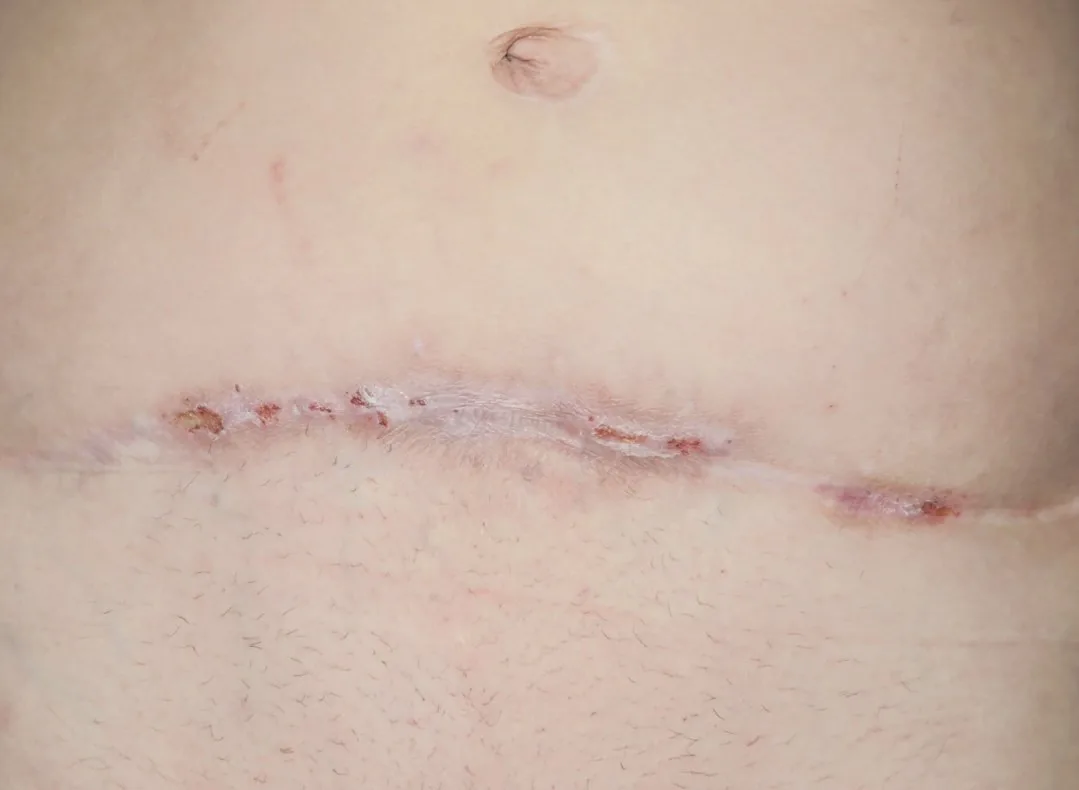
Friction can affect scar healing: tight clothing, shapewear, waistbands, bra straps, or repeated rubbing can prolong inflammation, add tension, stimulate excess collagen, and trigger dark pigment along the scar, especially in medium to darker skin. The first 3 to 6 months are the most sensitive, and soft, breathable fabrics, avoiding tight pressure, protective barriers such as silicone sheets, and good hydration help protect the scar.
You may be doing everything right for your scar — keeping it clean, moisturizing, and protecting it from the sun.
But there’s one factor many people overlook: mechanical friction.
Tight clothing, shapewear, waistbands, bra straps, or repetitive rubbing over the area can interfere with how a scar heals — especially during the early and intermediate healing phases.
Let me explain why this happens and how to protect your results.
Why Does Friction Matter During Scar Healing?
Scar healing is not just surface repair. It’s a structured biological process that includes:
- Inflammation
- Collagen production
- Remodeling and maturation
This process can take 12 to 18 months, sometimes longer.
When constant friction or pressure is applied to healing tissue, it can:
- Prolong local inflammation
- Increase mechanical tension across the incision
- Stimulate excess collagen production
- Increase pigmentation in reactive skin types
Scar tissue is less elastic and more vulnerable than normal skin. During early healing, it is especially sensitive to repeated stress.
How Can Friction Affect Scar Development?
1. Prolonged Inflammation
Repeated rubbing can cause low-grade mechanical irritation.
This does not “reopen” the scar in most cases, but it can keep the tissue in a reactive state longer than necessary.
Prolonged inflammation may contribute to:
- Persistent redness
- Increased sensitivity
- Slower maturation
2. Post-Inflammatory Hyperpigmentation (PIH)
In medium to darker skin tones (Fitzpatrick III–VI), friction can stimulate melanocytes to produce excess pigment.
This may cause:
- Darkening along the incision line
- Uneven pigmentation
- A scar that becomes more noticeable over time
Friction itself doesn’t “create” pigment permanently — but chronic irritation can trigger pigment production in susceptible individuals.
3. Increased Scar Thickness in High-Tension Areas
Scars located in areas of constant tension — such as the lower abdomen, chest, shoulders, or inner thighs — are already at higher risk for thickening.
Added mechanical stress from tight clothing may contribute to:
- Hypertrophic scarring (raised, thickened scars confined to the incision line)
- Wider scars due to tension
Important clarification:
- Hypertrophic scars stay within the original wound boundaries.
- Keloids extend beyond the wound edges and are influenced primarily by genetic predisposition — not clothing friction alone.
4. Delayed Maturation
A scar should gradually:
- Flatten
- Soften
- Fade
Ongoing mechanical stress may delay this natural maturation phase, especially within the first 2–6 months.
This doesn’t mean the scar won’t improve — but it may take longer.
5. Risk to Very Fresh Incisions
During the first few weeks or months after surgery, excessive tension or pressure can increase the risk of:
- Wound edge separation
- Scar widening
| How friction affects the scar | What you may notice |
|---|---|
| Prolonged inflammation | Persistent redness, increased sensitivity, slower maturation |
| Post-inflammatory hyperpigmentation | Darkening along the incision line and uneven pigmentation, especially in medium to darker skin |
| Increased thickness in high-tension areas | Raised, thickened (hypertrophic) or wider scars |
| Delayed maturation | The scar takes longer to flatten, soften, and fade |
| Stress on very fresh incisions | Wound edge separation or scar widening |
How Can You Protect Your Scar From Friction?
Protecting your scar from friction does not require complicated routines.
Choose Soft, Breathable Fabrics
Cotton and smooth materials are less irritating than rough or rigid fabrics.
Avoid Tight Pressure in Early Healing
For the first 3–6 months (unless compression is medically prescribed), avoid:
- Tight waistbands
- Restrictive bras
- Shapewear over fresh incisions
Use Protective Barriers if Needed
If friction cannot be avoided (for example, bra straps over shoulder scars), silicone sheets or soft padding can help reduce direct contact.
Maintain Hydration
Well-moisturized skin is more resilient and flexible, reducing friction sensitivity.
Monitor Changes
If you notice:
- New redness
- Darkening
- Thickening
- Increased sensitivity
It may be helpful to reduce friction and consult a professional.
How Long Is a Scar Sensitive to Friction?
Scar healing does not end when stitches are removed.
The tissue remains active for many months. The first 6 to 18 months are especially important in shaping the final appearance of the scar.
Small adjustments during this period can significantly influence:
- Texture
- Color
- Width
- Overall visibility
Friction will not automatically “ruin” your scar. But chronic mechanical irritation during healing can influence how the tissue remodels — particularly in high-tension areas and reactive skin types.
Scar care is not only about what you apply on the surface. It’s also about how you protect the tissue while it matures.
If your scar is not improving as expected, or if you’re unsure whether tension or friction may be affecting it, I can evaluate it and guide you safely.
Healing is not passive.
It’s something we can support — with the right timing and the right strategy.
Frequently Asked Questions
Can friction make a scar worse?
Chronic friction can prolong inflammation, increase tension across the incision, stimulate excess collagen, and increase pigmentation in reactive skin types. It will not automatically ruin a scar, but it can influence how the tissue remodels.
Can tight clothing cause a dark scar?
In medium to darker skin tones (Fitzpatrick III–VI), friction can stimulate melanocytes and cause post-inflammatory hyperpigmentation along the incision line.
How long should I avoid tight clothing after surgery?
For the first 3 to 6 months, avoid tight waistbands, restrictive bras, and shapewear over fresh incisions, unless compression has been medically prescribed.
Can friction cause a keloid?
Friction can contribute to thicker, hypertrophic scars in high-tension areas, but keloids are influenced primarily by genetic predisposition, not by clothing friction alone.
How can I protect a scar from bra straps or waistbands?
If friction cannot be avoided, silicone sheets or soft padding can reduce direct contact with the scar.
— Natalia Mejía
Scar Specialist | Manhattan