March 2, 2026 · Natalia Mejia — Paramedical Tattoo & Scar Specialist in NYC
Starting Scar Treatment in Winter: Regeneration, Camouflage, and Results by Summer
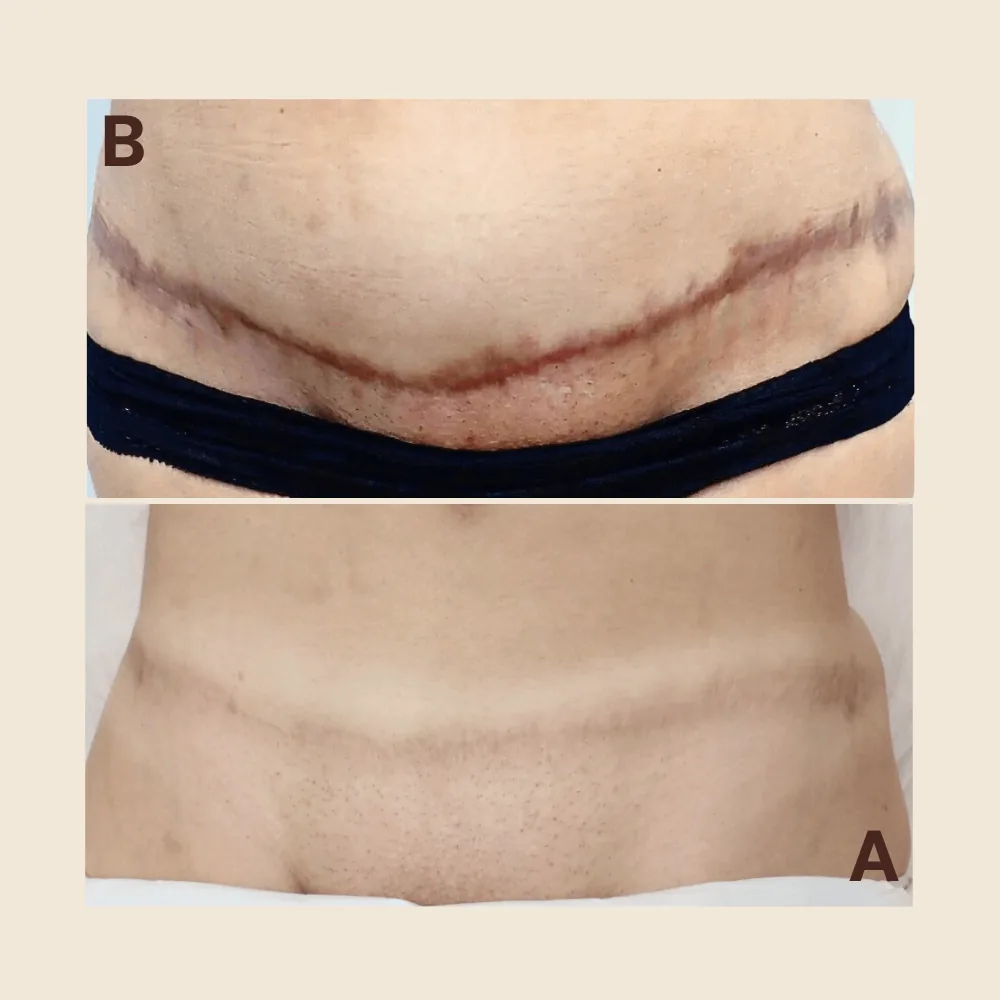
Starting scar treatment in winter gives your skin time to go through each phase, whether that is regeneration, camouflage, or both, in a calmer environment, so the scar is already improved by the time summer arrives. Regeneration improves the structure of the tissue, and camouflage or neutralization improves its color. Many scars benefit from regeneration first, but when the texture is already stable and the main concern is color, camouflage can come first.
If you have been looking at your skin and thinking about finally doing something about a scar, whether it is the texture, the color, or both, this is the moment to start: not in spring, when the pressure begins, and not in summer, when the skin is exposed. In my practice in Manhattan, I don’t approach scars as something to simply cover. I work with the skin as a living system that holds history, responds to its environment, and improves when it is guided correctly. I explain the science behind the season in my article on why winter is a strategic time to treat scars.
Why Does Timing Matter in Scar Treatment?
Scar treatment is not only about the technique; it is also about when the skin is most capable of responding. Sun exposure, heat, sweat, and daily habits all influence inflammation, pigmentation, and healing. When treatment starts at the right time, the skin responds more predictably and more calmly, which is especially important with pigment and scar tissue, both more reactive than normal skin.
After any treatment, regenerative or pigment-based, the skin becomes more sensitive, and UV exposure can trigger post-inflammatory hyperpigmentation, particularly in medium to darker skin tones. In winter, the skin is more covered, time in direct sun is lower, and UV intensity is reduced. Heat, sweat, and friction, which irritate healing tissue, are also less common. This creates a safer window not only for regeneration, but also for camouflage and neutralization, where pigment stability is essential.
Regeneration or Camouflage: Which Does Your Scar Need?
| Regeneration | Camouflage or neutralization | |
|---|---|---|
| What it improves | The structure of the tissue: texture, flexibility, thickness, and overall quality | The color: it reduces the contrast between the scar and the surrounding skin |
| When it fits best | Scars that are thick, thin, rigid, or irregular in texture | Scars whose texture is relatively stable and whose main concern is color |
| How it works | Treatments spaced out so collagen can reorganize properly | Pigment built in layers to avoid oversaturation |
Regeneration focuses on the tissue itself: it creates a healthier foundation and often improves how the scar looks even before color is addressed. For many patients, it is the first step. Camouflage or neutralization with pigment works when the scar looks darker, lighter, or more visible because of its contrast with the skin around it.
Do You Always Need Regeneration First?
Not necessarily. In many cases, I recommend starting with regeneration to improve the tissue before working with pigment, because it creates more stable and predictable results. But when the texture is already relatively stable and the main concern is color, we can go directly into camouflage or neutralization, and when it is done correctly, the results can still look very good and natural. The decision depends on the condition of the tissue, the type of scar, your skin tone, and how your skin heals. There is no one-size-fits-all protocol, which is why a proper evaluation is key.
How Does Starting in Winter Change Your Outcome?
Whether we focus on regeneration, camouflage, or both, the process is always gradual: the skin needs time to respond, heal, and stabilize. When you begin in winter, regeneration can happen in a stable environment, and camouflage can be done with a lower risk of pigment instability. By the time summer arrives, your skin is not in the middle of the process; it is already improved. The texture is more balanced, the color is more integrated, the scar is less noticeable, and you are no longer planning around it.
Frequently Asked Questions
Should I start scar treatment in winter?
Winter is often a good time to start, because lower sun exposure, heat, and sweat help the skin heal more calmly. If you start in winter, the scar is usually already improved by summer.
What is the difference between scar regeneration and camouflage?
Regeneration improves the structure of the scar tissue, such as its texture, flexibility, and thickness. Camouflage or neutralization improves its color by reducing the contrast with the surrounding skin.
Can I get scar camouflage without regeneration?
Yes, when the texture is already relatively stable and the main concern is color. When the texture is irregular, I usually recommend regeneration first.
Will my scar be ready by summer if I start in winter?
In many cases, yes. Starting in winter gives the skin time to go through each phase, so it is already improved when summer arrives.
Start Now, See the Difference Later
I do not rush the skin; I guide it. Sometimes that means regenerating first, sometimes going directly into camouflage, and often combining both in the right order, always with the same goal: natural, stable, long-lasting improvement. If you have been thinking about improving your scar, book a consultation. What you start today is what you will see in a few months.
—
Natalia Mejía
Scar Specialist | Manhattan