February 23, 2026 · Natalia Mejia — Paramedical Tattoo & Scar Specialist in NYC
The Best Soap for Scars (Including Scars on Your Legs)
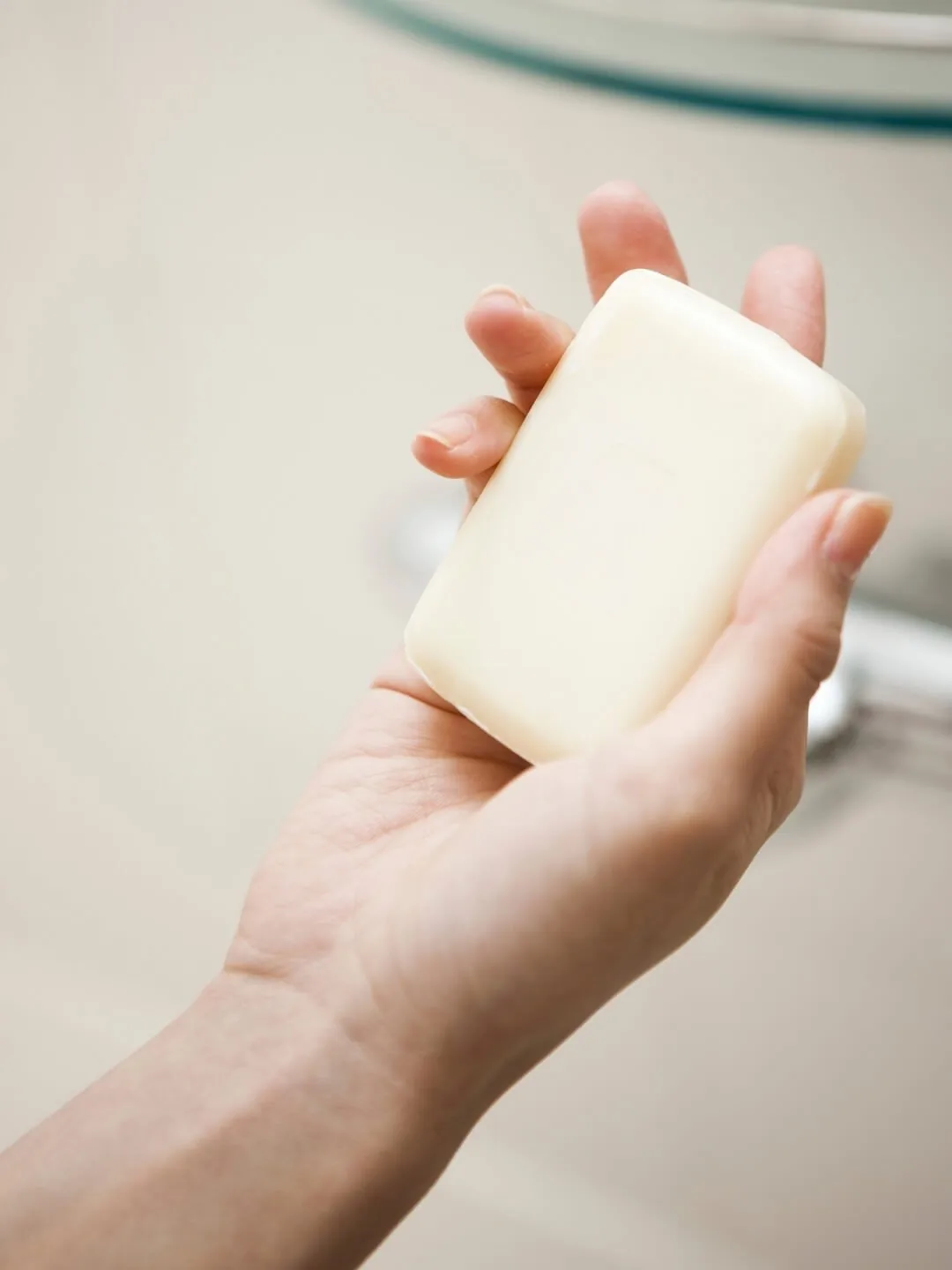
The best soap for a healing scar, including scars on your legs, is a gentle, fragrance-free, pH-balanced cleanser with minimal ingredients. Wash with lukewarm water and your fingertips, do not scrub, and pat the skin dry. Harsh soaps can irritate healing tissue, and chronic irritation can prolong redness and increase the risk of dark marks.
I see this often in my practice. Patients carefully follow their post-surgical instructions, protect their scar from the sun, and apply the recommended creams, but they wash the area every day with a regular body wash without realizing it may be too harsh for healing tissue. Keeping a scar clean is important, but how you clean it matters just as much.
Why Are Fresh Scars More Vulnerable?
A fresh scar is not normal skin. During the first weeks and months after closure:
- The skin barrier is still rebuilding.
- Collagen is reorganizing.
- Blood flow is adapting.
- The tissue is more reactive to irritation.
Because of this, products that are perfectly fine for healthy skin can be too aggressive for healing tissue.
Which Soap Ingredients Can Irritate a Scar?
Most commercial soaps and body washes contain ingredients that may irritate sensitive or healing skin:
Fragrance
Fragrance is one of the most common causes of skin irritation and contact dermatitis. Healing scar tissue is more reactive and may become inflamed more easily.
Strong Exfoliating Acids
Ingredients like glycolic acid and salicylic acid are useful for acne-prone skin, but they are not appropriate for fresh scars. They can disrupt fragile new tissue and increase irritation.
Alcohol or Strong Surfactants
Some cleansers strip the skin of its natural lipids. In a healing scar, this can increase dryness, tightness, and inflammation.
Physical Exfoliants
Loofahs, scrubs, and textured cloths create friction, and friction increases inflammation. Mechanical irritation can affect how collagen organizes during early healing.
The goal is not to sterilize your scar aggressively. It is to cleanse it gently without disrupting the healing environment.
What Is the Best Soap for Scars?
In the early phases of healing, simplicity is best. This is what I recommend:
| Choose | Avoid |
|---|---|
| Fragrance-free cleansers (not just “unscented”) | Fragranced soaps and body washes |
| pH-balanced products | Exfoliating acids, such as glycolic or salicylic acid |
| Formulas with minimal ingredients | Alcohol and strong surfactants |
| Gentle, non-foaming or low-foaming cleansers | Loofahs, scrubs, and textured cloths |
Examples include gentle sensitive-skin cleansers such as Dove Sensitive Skin, Cetaphil Gentle Cleanser, CeraVe Hydrating Cleanser, or simple glycerin-based soaps. The key is not the brand; it is the gentleness.
What About Scars on the Legs?
The same gentle cleansing applies to scars on the legs, but leg scars often face one more challenge: friction. Areas such as the inner thighs are under constant tension, which already raises the risk of thickening, and tight clothing or repetitive rubbing adds mechanical stress. In medium to darker skin tones, this friction can also stimulate extra pigment along the scar.
To protect a scar on your legs:
- Wash it with your fingertips instead of a loofah or scrub.
- Choose soft, breathable fabrics, such as cotton, over rough or rigid ones.
- Avoid tight clothing over the scar during the first 3 to 6 months, unless compression has been medically prescribed.
- Keep the skin well moisturized, because hydrated skin is more resilient and less sensitive to friction.
I explain this in more detail in my article on how friction affects scar healing.
How Should You Wash a Fresh Scar?
Technique is just as important as the product. This is what I teach my patients:
- Use lukewarm water; hot water increases inflammation.
- Apply the cleanser gently with your fingertips.
- Do not scrub.
- Rinse thoroughly.
- Pat dry with a clean towel; never rub.
- Avoid over-washing. Once a day is usually enough, unless your surgeon has told you otherwise.
More washing does not mean better healing.
Why Does This Matter in the Long Term?
Chronic, low-grade irritation can:
- Prolong redness.
- Increase the risk of post-inflammatory hyperpigmentation.
- Affect how collagen organizes.
- Increase tightness.
Scar formation is influenced by inflammation, so minimizing unnecessary irritation supports better texture and color over time. Soap alone does not determine how your scar heals, since genetics, surgical technique, tension, and overall health all play major roles, but proper cleansing is part of comprehensive care.
When Should You Reassess Your Scar Care?
If your scar stays red longer than expected, darkens, feels persistently tight or irritated, or becomes raised, it may need more than gentle cleansing: it may need structured regenerative support. Still, the foundation always begins with proper daily care.
Frequently Asked Questions
What is the best soap for scars?
A gentle, fragrance-free, pH-balanced cleanser with minimal ingredients. Examples include Dove Sensitive Skin, Cetaphil Gentle Cleanser, CeraVe Hydrating Cleanser, or a simple glycerin-based soap.
Can the wrong soap make a scar worse?
It can. Fragrance, exfoliating acids, and strong surfactants can irritate healing tissue, and chronic irritation can prolong redness and increase the risk of dark marks.
How often should I wash a fresh scar?
Once a day is usually enough, unless your surgeon has told you otherwise. More washing does not mean better healing.
Can I use a loofah on my scar?
No. Loofahs, scrubs, and textured cloths create friction, and friction increases inflammation. Use your fingertips instead.
Should I wash my scar with hot water?
No. Use lukewarm water, because hot water increases inflammation.
Not Sure If Your Products Are Right for Your Scar?
Scar care should be simple, not aggressive. Your skin heals best in a calm, stable environment, and gentle cleansing supports that process. If you are unsure whether your current products are appropriate for your scar, I am happy to guide you: book a consultation. Healing does not require more products; it requires the right ones.
—
Natalia Mejía
Scar Specialist | Manhattan