October 10, 2025 · Natalia Mejia — Paramedical Tattoo & Scar Specialist in NYC
What Is Paramedical Tattooing? How It Works and What It Can Treat
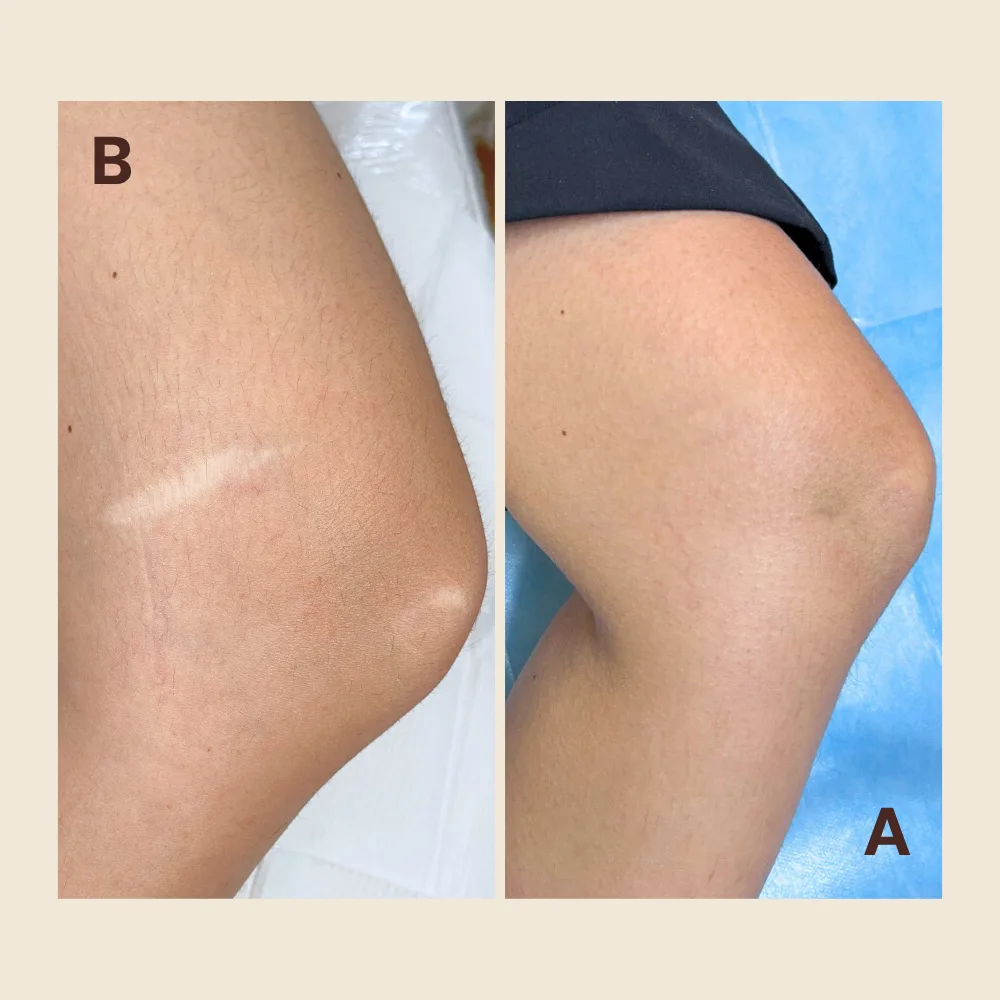
Paramedical tattooing, also known as medical or restorative tattooing, is a specialized form of cosmetic tattooing that uses pigments matched to your skin to improve the appearance of scars, burns, stretch marks, loss of pigmentation, and areolas after surgery. Unlike a traditional tattoo, it focuses on subtlety and blending rather than bold color. Results can last several years, with periodic touch-ups to maintain them.
Paramedical tattooing bridges the gap between aesthetic treatments and medical care. In this guide, I explain how it works, which skin concerns it can address, who can benefit from it, and what to expect during your consultation and aftercare.
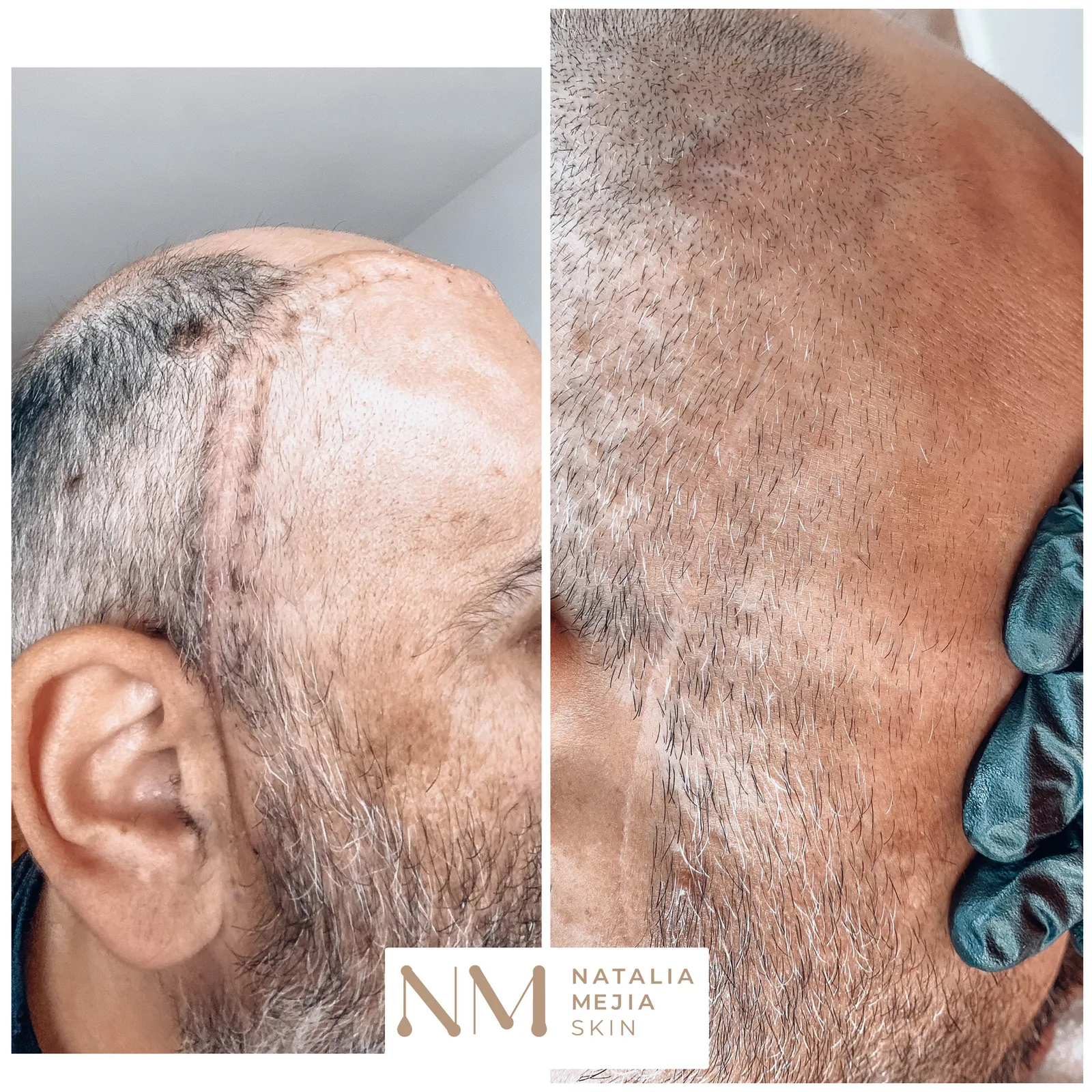
How Does Paramedical Tattooing Work?
1. The Consultation
Paramedical tattooing implants pigment into the dermal layer of the skin using advanced techniques and tools. The process begins with a thorough consultation, where I get to know your needs, assess the area to be treated, and select pigments that match your skin tone. The discomfort is tolerable, and it has never stopped a patient from completing treatment.
2. The Pigment Implantation
Traditional tattoos use inks designed for permanence and bold colors. Paramedical tattoos, on the other hand, focus on subtlety and blending: I choose pigments that mimic the natural tones of your skin, so the result looks as seamless and realistic as possible. Success begins with proper preparation, and I explain why scar preparation is crucial for natural-looking results in a separate article.
Which Skin Concerns Can Paramedical Tattooing Solve?
| Application | What it does |
|---|---|
| Scar camouflage | Reduces the visibility of surgical, acne, or injury scars by blending the scar tissue with the surrounding skin |
| Areola and nipple restoration | Recreates or enhances the areola and nipple after a mastectomy or breast surgery, with a natural, symmetrical look |
| Stretch mark camouflage | Diminishes stretch marks by adding pigment that matches your natural skin tone |
| Burn scar treatment | Improves the texture and color of burn scars for a smoother, more even appearance |
| Vitiligo camouflage | Matches the pigment to your natural skin tone to reduce uneven skin caused by vitiligo, in stable cases |
| Hair simulation | Creates the illusion of hair in areas of hair loss, such as the scalp, eyebrows, or beard |
One of the most intimate uses of paramedical tattooing is 3D nipple and areola restoration, which offers hyper-realistic results after surgery. For scars that are darker than the skin, I use color correction, as I explain in my article on camouflage tattoos for hyperpigmentation.
Are Paramedical Tattoos Permanent?
Paramedical tattoos are semi-permanent: they can restore the appearance of the skin for several years, but they require maintenance for the best long-term results. How long they last varies with individual factors and the specific area treated.
Who Can Benefit From Paramedical Tattooing?
Paramedical tattooing is ideal if you:
- Have scars, burns, or stretch marks that affect your confidence.
- Have undergone surgeries such as mastectomies or skin grafts.
- Experience pigment loss from conditions like vitiligo.
- Want to restore natural-looking features, such as areolas or eyebrows, after medical treatments.
What Are the Benefits of Paramedical Tattooing?
- Improved appearance: natural-looking results that blend seamlessly with the surrounding skin.
- More confidence: it helps you feel more comfortable in your skin after trauma or medical procedures.
- Long-lasting results: results can last several years, with periodic touch-ups.
- A non-surgical solution: a safe and effective way to address skin concerns without surgery.
- A personalized treatment: each treatment is tailored to your skin tone, condition, and goals.
What Is the Difference Between Cosmetic and Paramedical Tattooing?
Cosmetic tattooing, also known as permanent makeup or micropigmentation, deposits pigment into the skin to enhance natural features, such as fuller eyebrows, defined eyeliner, or added color on the lips. Paramedical tattooing uses the same principle of implanting pigment, but its purpose is restorative: it improves the appearance of skin that has been changed by surgery, injury, or a skin condition.
| Cosmetic tattooing | Paramedical tattooing | |
|---|---|---|
| Purpose | Enhance natural features | Restore the appearance of the skin |
| Common areas | Eyebrows, eyeliner, lips | Scars, stretch marks, loss of pigmentation, areolas after surgery |
| What it requires | Refined tools and natural-looking pigments | Understanding of how scar tissue heals, precise color matching, and experience with damaged skin |
My work is paramedical: I focus on scars, stretch marks, and areola restoration.
Is Paramedical Tattooing Safe?
When it is performed by a certified and experienced professional, paramedical tattooing is a safe procedure. The practitioner should follow strict hygiene standards, use high-quality pigments, and sterilize all equipment. Please tell me about any medical conditions or allergies during your consultation, so that your treatment is safe and effective.
Aftercare and Maintenance
Proper aftercare is crucial for healing and for the best results. After your session:
- Avoid water, sweat, and direct sun exposure on the treated area for several days.
- Follow my instructions for cleaning and moisturizing the area.
- Attend a follow-up session if needed to refine the results.
What Happens During a Paramedical Tattoo Consultation?
During the consultation, I evaluate your skin tone, its texture, and the characteristics of the area I will treat. We talk about your goals and expectations, so that we can achieve a natural, harmonious result. My goal is to create a treatment plan that is completely personalized to your skin and your needs.
Frequently Asked Questions
Is cosmetic tattooing the same as paramedical tattooing?
No. Cosmetic tattooing, or permanent makeup, enhances features such as eyebrows, eyeliner, and lips. Paramedical tattooing restores the appearance of scars, stretch marks, and areolas after surgery.
How much does paramedical tattooing cost?
It depends on your personalized plan, and I offer investment options and plans to ease the financial pressure.
What is the difference between a paramedical tattoo and a regular tattoo?
Traditional tattoos use inks designed for permanence and bold colors. Paramedical tattoos use pigments that mimic the natural tones of the skin, so the result blends in instead of standing out.
Does paramedical tattooing hurt?
Pain is tolerable and has never stopped a patient from completing their treatment.
How long do paramedical tattoos last?
Results can last several years, but they typically need periodic touch-ups. How long they last depends on individual factors and the area treated.
Can paramedical tattooing cover vitiligo?
Yes, in stable cases. The pigment is matched to your natural skin tone to reduce the appearance of uneven skin.
What should I avoid after a paramedical tattoo?
Avoid water, sweat, and direct sun exposure on the treated area for several days, and follow the cleaning and moisturizing instructions you receive.
Ready to Restore Your Skin?
Paramedical tattooing is more than a cosmetic procedure; it is a transformative solution that helps you reclaim your confidence. Whether you want to camouflage scars, blend stretch marks, restore your areolas, or address pigmentation concerns, book a consultation. With my experience in scar revision and restorative tattooing, I will create a personalized plan for you.
—
Natalia Mejía
Scar Specialist | Manhattan