October 29, 2025 · Natalia Mejia — Paramedical Tattoo & Scar Specialist in NYC
How to Naturally Improve Scars: Why Regeneration Comes Before Camouflage
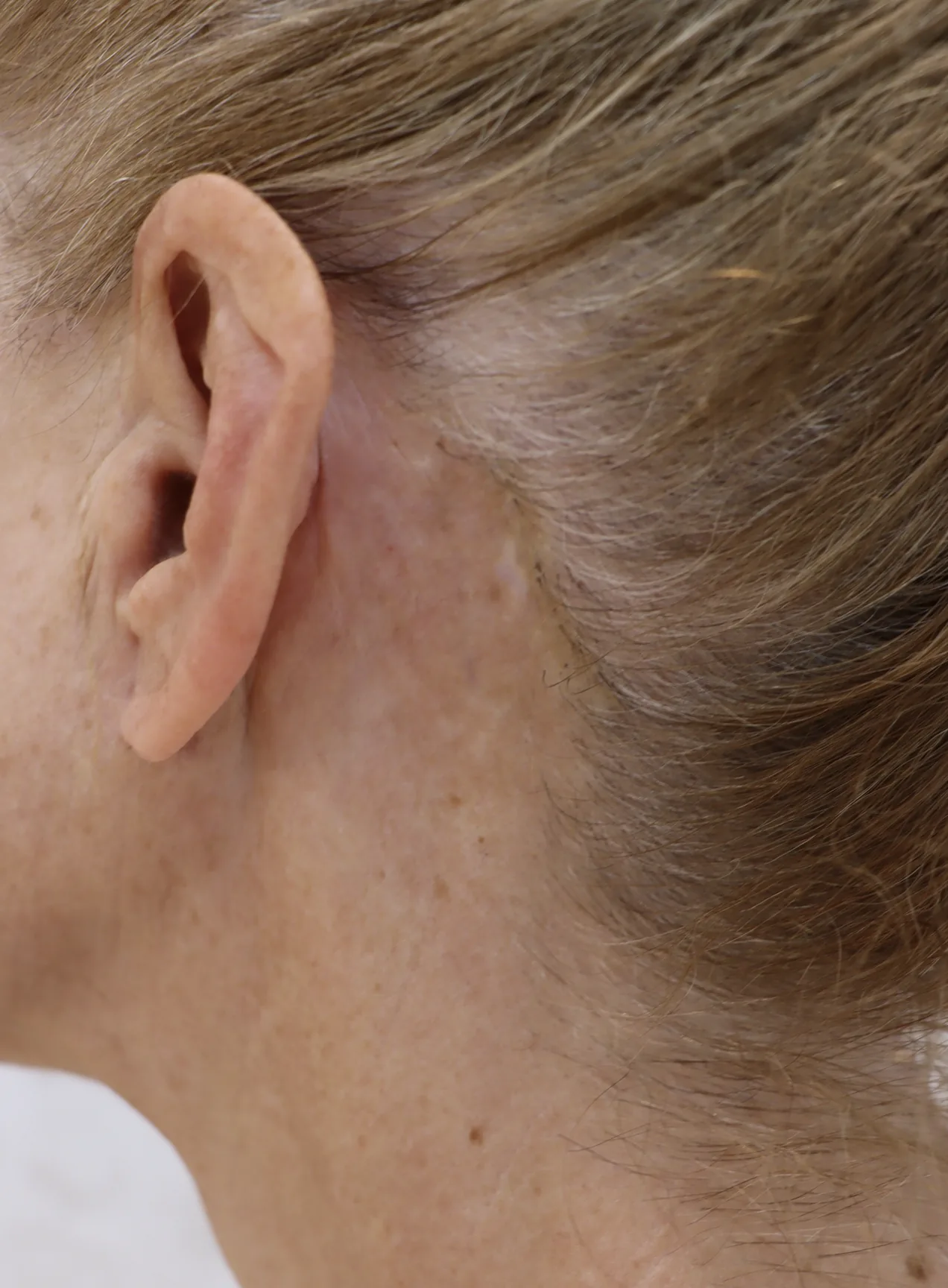
The best natural way to improve a scar is to support the skin’s own regeneration: prepare the scar tissue properly, space treatments every 45 to 60 days, and keep the skin well hydrated inside and out. Oils, creams, and home remedies can hydrate the skin, but they cannot restore lost pigment or fully remove a mature scar. That is why I recommend natural regeneration as the first strategy, and camouflage tattooing only once the skin is ready.
Choosing the most effective and sustainable approach is essential when treating scars, especially for younger people. Camouflage tattoos and micropigmentation are popular options, but in this article, I explain why natural skin regeneration often gives better, longer-lasting results, and when camouflage makes sense.
Can You Remove Scars Naturally?
Many people search for ways to remove scars naturally with topical oils, creams, and home remedies. These methods can hydrate the skin, but they cannot restore lost pigment or fully remove a mature scar. This frustration is one of the main reasons scar camouflage tattoos are growing in popularity: they offer a visual solution that natural methods simply cannot. If you have tried everything without results, read my guide on why scar creams don’t work on mature scars.
What Are the Benefits of Natural Skin Regeneration?
Natural skin regeneration lets the body heal and improve scars through its own processes. Its main benefits are:
- Fewer touch-ups: the skin progressively improves the scar on its own, which reduces the need for frequent touch-ups.
- Continuous improvement: over time, regeneration keeps making the scar less noticeable and more consistent with the surrounding skin.
- Economic efficiency: it is more cost-effective in the long term, because it avoids recurring procedures.
How Can You Support Your Skin’s Natural Regeneration?
1. Prepare the Scar Tissue
Skin regeneration is not a one-time event; it is a continuous process that requires preparation and patience. Properly preparing the scar tissue before any treatment is essential for optimal results. Preparation involves:
- Assessing the scar’s characteristics.
- Addressing irregularities in texture.
- Improving blood circulation to the area.
- Creating an optimal environment for cell renewal.
Without proper preparation, even the most advanced treatments may give suboptimal results, because they work on compromised tissue that isn’t ready to respond.
2. Space Your Treatments Every 45 to 60 Days
For optimal regeneration, I space treatments every 45 to 60 days, instead of the 30 days often recommended. This longer interval lets the skin complete its natural healing cycle, which is especially important for scar tissue, because it regenerates more slowly than healthy skin. When treatments are too close together, the skin doesn’t have time to respond and rebuild, which can lead to:
- Inflammation and increased sensitivity.
- Compromised healing.
- Inconsistent results.
- Possible hyperpigmentation.
3. Keep the Skin Hydrated
Proper hydration plays a fundamental role in how scar tissue heals. Well-hydrated skin shows:
- Better cell communication.
- Improved nutrient delivery to healing tissue.
- Better elasticity and flexibility.
- More efficient removal of waste products from cells.
- An optimal environment for collagen production.
Hydrating both internally, by drinking water, and externally, with appropriate moisturizers, significantly accelerates healing and creates a better foundation for any camouflage later. If your main concern is color rather than texture, a non-acid natural peel can be a safer alternative to harsh chemical treatments. It also helps to plan your sessions during the winter months, when it is easier to protect your scar from the sun.
What Are the Downsides of Camouflage Tattoos and Micropigmentation?
Micropigmentation and camouflage tattoos are effective for some people, but they come with notable challenges:
| Challenge | What can happen |
|---|---|
| Color alteration | Pigments can oxidize, and the initial color match may shift to yellowish or grayish hues over time |
| Repeated touch-ups | Multiple touch-ups can create complex problems, especially when pigment has to be removed; titanium dioxide and white inks are particularly hard to remove |
| Unpredictable longevity | The long-term stability of the color depends on skin type, healing response, and pigment quality |
| Maintenance | Camouflage tattoos generally need touch-ups every 5 to 10 years |
Why Should Younger People Prioritize Natural Regeneration?
- The skin is still developing: young skin keeps evolving, and introducing pigment too early can lead to inconsistent results as it matures.
- Fewer complications: natural healing reduces the likelihood of extensive corrections later and offers a more stable outcome.
When Does Camouflage Tattooing Make Sense?
Expert camouflage tattooing can blend scars and stretch marks seamlessly with your natural skin tone and restore both your confidence and a balanced appearance. The best results, however, start with a solid foundation of natural regeneration: prepared skin is healthier, more resilient, and ready for pigment. If you choose camouflage, work with a skilled professional who understands pigment chemistry and its long-term effects, and who can guide you toward the best approach for your needs.
Frequently Asked Questions
How can I improve a scar naturally?
Support your skin’s regeneration: prepare the scar tissue, space treatments every 45 to 60 days, and keep the skin hydrated inside and out.
Can oils or creams remove a scar?
They can hydrate the skin, but they cannot restore lost pigment or fully remove a mature scar.
Why space scar treatments every 45 to 60 days?
Scar tissue regenerates more slowly than healthy skin. Treatments that are too close together can cause inflammation, compromised healing, inconsistent results, and hyperpigmentation.
How often do camouflage tattoos need touch-ups?
Camouflage tattoos generally require touch-ups every 5 to 10 years, depending on individual factors and the technique used.
Is camouflage tattooing a good idea for young people?
I recommend prioritizing natural regeneration first, because young skin is still changing, and pigment introduced too early can give inconsistent results as the skin matures.
Take Action for Long-Lasting Results
Successful results depend not only on the first procedure but on continuous care, and a comprehensive long-term scar care routine is essential. Book a consultation to develop a personalized scar treatment plan that prioritizes your skin’s natural regeneration and adds advanced techniques when they make sense.
—
Natalia Mejía
Scar Specialist | Manhattan