April 21, 2026 · Natalia Mejia — Paramedical Tattoo & Scar Specialist in NYC
Hypertrophic Scar Healing Stages: Timeline and When to Treat
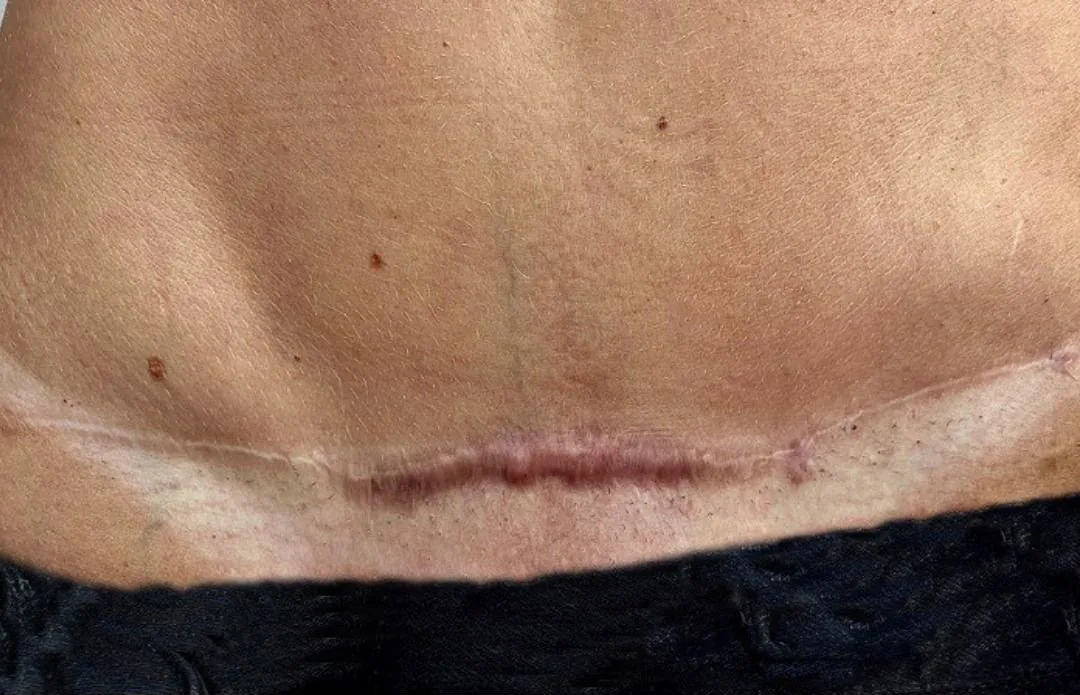
A hypertrophic scar goes through four healing stages: inflammation (0 to 2 weeks), proliferation (2 to 6 weeks), maturation or remodeling (6 weeks to 12 months and beyond), and resolution (after 12 months). Without help, it may take 12 to 18 months to soften, and some never fully do. I can support the scar from the start with my 90-Day Scar Concierge program (which starts before surgery and guides you through the first 90 days of healing); otherwise, regenerative treatment begins at around 6 months.
When you are dealing with a raised or dark scar after surgery, an accident, or even acne, it is natural to wonder whether it will go away and how long it will take. The hypertrophic scar is one of the most common types I work on: a thick, raised scar that forms as part of the body’s natural healing response. The good news is that it goes through distinct stages, and with the right support, its texture and appearance can improve dramatically.
What Makes a Hypertrophic Scar Different?
A hypertrophic scar forms when your body produces too much collagen during healing. Unlike keloids, hypertrophic scars stay within the wound’s borders, but they can still be:
- Thick or raised.
- Red, pink, or dark brown.
- Itchy, tight, or sensitive.
- Emotionally difficult to deal with, especially in visible areas.
They are especially common after surgeries such as C-sections, tummy tucks, and breast lifts, after burns or trauma, and in areas under tension, such as the shoulders, chest, and joints. They are also more common in medium to dark skin tones.
What Are the Stages of Hypertrophic Scar Healing?
| Stage | Timing | What you may notice | Support at this stage |
|---|---|---|---|
| 1. Inflammatory | 0 to 2 weeks | Redness, swelling, tenderness; the wound is still closing | Wound care and hydration |
| 2. Proliferative | 2 to 6 weeks | Raised texture, red or pink color, tightness or itchiness | Silicone or hydration |
| 3. Maturation (remodeling) | 6 weeks to 12+ months | A raised appearance, pigment changes, uneven texture | The ideal window for regenerative treatment |
| 4. Resolution | 12 months and beyond | Color inconsistencies, firm or thick texture | Texture treatments and, if needed, camouflage |
1. Inflammatory Phase (0 to 2 Weeks)
What is happening: initial inflammation and early collagen production. You may notice redness, swelling, and tenderness while the wound is still closing. At this stage, the focus is on wound care and hydration; treatments only begin once the skin is fully closed.
2. Proliferative Phase (2 to 6 Weeks)
What is happening: tissue forms rapidly, and this is when hypertrophic scars often begin to appear. You may notice a raised texture, a red or pink color, and tightness or itchiness. I may recommend silicone or hydration; within my 90-Day Scar Concierge program, I also guide you on when it is safe to begin gentle scar work. Hands-on regenerative treatments follow once the tissue is ready, or at around 6 months if you start later.
3. Maturation Phase (6 Weeks to 12+ Months)
What is happening: collagen reorganizes, and the scar starts to soften, although some scars plateau. You may still notice a raised appearance, pigment changes, and uneven texture. This is my ideal window to start treatment, with a customized plan that may include:
- Organic peels.
- Stem-cell-based treatments.
I typically recommend 4 or more sessions, spaced 60 to 90 days apart, and then reassess.
4. Resolution Phase (12 Months and Beyond)
What is happening: the scar stabilizes and no longer changes much on its own. You may notice color inconsistencies, a firm or thick texture, and emotional discomfort when you see the scar. Even older scars respond to care: I combine texture treatments with camouflage tattooing when needed, to blend the color and soften the appearance.
What Do the Color Stages of a Scar Mean?
A scar’s color is a visual indicator of where it is in the healing process:
- Red or pink (inflammatory and proliferative stages): the redness reflects increased blood flow while your body rebuilds tissue and lays down new collagen. In a hypertrophic scar, this stage is often exaggerated, with a more intense red and a raised texture.
- Purple or dark brown (proliferative and remodeling stages): this is especially common in medium to dark skin tones and is known as post-inflammatory hyperpigmentation (PIH). It results from excess melanin produced in response to the trauma or inflammation, and it can persist for months, even as the scar flattens. I explain it in my article on dark scars after surgery.
- Pale white or silver (final maturation): once the scar is fully mature, the extra blood flow has receded and the inflammation is gone. The dense collagen that remains lacks blood vessels and often lacks melanocytes, so the scar loses its pigment (hypopigmentation).
Will a Hypertrophic Scar Go Away on Its Own?
Sometimes. Hypertrophic scars often improve naturally within the first 12 to 18 months after the injury: they can flatten, soften, and fade, especially if the wound was small and healed without complications. But not all scars follow this pattern. Many clients come to me after waiting one or two years, because the scar plateaued and stayed firm or discolored. In darker skin, post-inflammatory hyperpigmentation can even make the scar look worse over time. If your scar is not improving, or is getting darker, it is better to support the healing process than to wait and hope.
What Affects How a Hypertrophic Scar Evolves?
- Your skin type and tone.
- Genetics.
- The location of the scar (joints, chest, or back tend to scar more).
- Infection or delayed healing.
- A lack of hydration, scar care, or sun protection.
When Should You Start Treatment?
You don’t need to wait a year. With my 90-Day Scar Concierge program, I support the scar from the start; otherwise, I begin treating hypertrophic scars at around 6 months. Starting early can help prevent collagen buildup, calm inflammation, minimize pigment problems, ease tightness, and shorten the overall process. Older scars, even from many years ago, also respond to treatment. You may be ready if:
- It has been about 6 months since your surgery, or you are just out of surgery and want support from the start.
- The scar feels raised, tight, or dark.
- It has plateaued or stopped changing.
- You are open to a process, not a quick fix.
How Long Does It Take to See Results?
Most clients see changes around the second to fourth session. Thicker or older scars may need 10 to 12 sessions. Some clients see results in just a few sessions, while others, especially with dark or thick scars, need a longer plan tailored to their skin.
What Should You Avoid With a Hypertrophic Scar?
- Harsh acids or exfoliants.
- Skipping sunscreen.
- Rubbing or compressing the area.
- Clogging or irritating oils.
- Overly tight clothing, which adds friction.
Can Hypertrophic Scars Disappear Completely?
No. Scars don’t disappear completely, but with treatment, especially when it starts early and is consistent, they become flatter, softer, less visible, more flexible, and less defining. The goal is not perfection; it is comfort, confidence, and self-acceptance. Camouflage tattooing is never the first step: I only use it once the texture has improved and the skin is ready and stable.
Frequently Asked Questions
What are the stages of hypertrophic scar healing?
Inflammatory (0 to 2 weeks), proliferative (2 to 6 weeks), maturation or remodeling (6 weeks to 12 months and beyond), and resolution (after 12 months).
How long does a hypertrophic scar take to heal?
Without help, it may take 12 to 18 months to soften, and some never fully do. With targeted treatment, the process can be shorter.
When is the best time to treat a hypertrophic scar?
Ideally around your surgery, with my 90-Day Scar Concierge program, or otherwise at around 6 months. Older scars also respond.
Why is my scar turning dark brown?
It is usually post-inflammatory hyperpigmentation, which is common in medium to dark skin tones. The skin produces extra melanin in response to the inflammation of healing.
How many sessions does a hypertrophic scar need?
I usually start with 4 regenerative sessions spaced 60 to 90 days apart and then reassess. Most clients see changes by the second to fourth session; thicker or older scars may need 10 to 12.
Your Scar Is Not the End of the Story
You didn’t choose your scar, but you can choose how you care for it. With the right support, hypertrophic scars can transform in texture and color, and in how they make you feel. I offer regenerative scar treatments for all skin tones, non-invasive support for your skin’s natural healing, and camouflage tattooing once the skin is ready. Book a consultation, and I will assess your scar with honesty and care.
—
Natalia Mejía
Scar Specialist and Paramedical Tattoo Artist | Manhattan