February 16, 2026 · Natalia Mejia — Paramedical Tattoo & Scar Specialist in NYC
The Science Behind Scar Massage: Why Touch Supports Healing
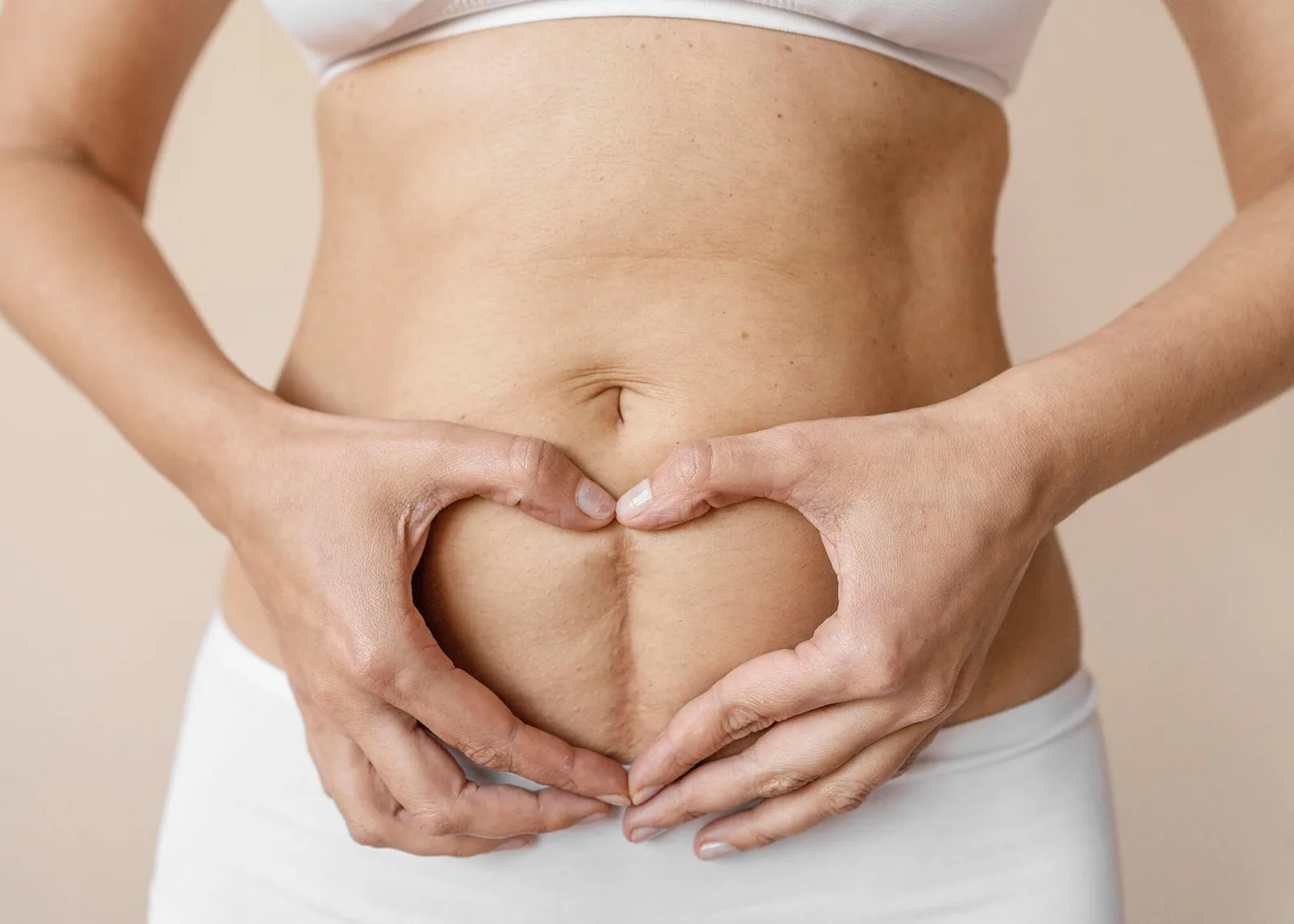
Scar massage works because controlled mechanical stimulation helps scar tissue remodel: it reduces adhesions, supports better collagen organization, improves circulation, increases flexibility, and helps desensitize the scar. Start only when the wound is completely closed, with no scabs, drainage, or active inflammation, and after your healthcare provider clears you, often around 4 to 6 weeks after closure for surgical scars. Massage for 5 to 10 minutes, once or twice a day, with firm but comfortable pressure in several directions.
Are you still afraid to touch your scar?
That reaction is completely normal. Scars can feel tight, sensitive, numb, or emotionally heavy. But once a wound is fully closed and medically stable, scar massage can become one of the most supportive tools for improving comfort, mobility, and long-term tissue quality.
Scar massage is not just a wellness trend. It has a physiological basis — and when done correctly, it can positively influence how scar tissue remodels over time.
Why Does Scar Massage Work?
Scar tissue behaves differently from normal skin. Collagen fibers are often disorganized, blood flow may be reduced, and adhesions can form between layers of tissue.
Controlled mechanical stimulation helps address these issues in several ways:
1. Reducing Adhesions
Scar tissue can bind to underlying fascia or muscle. This creates tightness, restricted movement, and that “stuck” sensation. Gentle mobilization helps improve glide between tissue layers and reduce restriction.
2. Supporting Collagen Remodeling
Fibroblasts — the cells responsible for collagen production — respond to mechanical load. Moderate, consistent stimulation can help encourage better collagen organization over time.
3. Improving Circulation
Massage increases localized blood flow. Better circulation supports oxygen delivery and tissue nutrition, which are important during the remodeling phase of healing.
4. Enhancing Flexibility
Scar tissue lacks the elasticity of healthy skin. Regular mobilization helps maintain suppleness and prevent excessive stiffness as the scar matures.
5. Desensitization
Some scars are hypersensitive. Gradual, controlled touch helps the nervous system recalibrate and reduce discomfort over time.
Scar tissue is not static. Even months — and sometimes years — after injury, tissue can continue adapting when properly stimulated.
How Does Scar Massage Help Emotionally?
Many people avoid touching their scars. That avoidance is understandable.
Intentional scar massage can also serve as a form of reconnection — shifting from fear or avoidance to active care. This psychological component matters. Healing is not only structural; it is also relational.
When you engage with your scar gently and consistently, you begin to reclaim that part of your body.
When Is It Safe to Start Scar Massage?
Timing matters.
Scar massage should only begin when:
- The wound is completely closed
- There are no scabs
- There is no drainage or active inflammation
- Your healthcare provider has cleared you
For many surgical scars, this may be around 4–6 weeks post-closure, but this varies depending on the procedure, wound depth, and individual healing.
Never massage an open wound or unstable scar.
How Do You Massage a Scar Properly?
Technique matters more than intensity.
Pressure
Use firm but comfortable pressure. You should feel tissue movement — not pain. Pain increases inflammation, which works against healing.
Direction
Work in multiple directions:
- Circular motions
- Vertical strokes
- Horizontal strokes
This prevents collagen from organizing in a single restrictive pattern.
Duration
5–10 minutes per session
1–2 times daily
Consistency is more important than force.
Product
Use a simple, fragrance-free moisturizer to reduce friction. Avoid irritating essential oils or harsh ingredients.
Common Mistakes
- Starting too early
- Using aggressive pressure
- Being inconsistent
- Massaging only in one direction
- Expecting immediate results
Scar remodeling takes months. Massage supports the process — it does not accelerate it overnight.
When Professional Guidance Is Helpful
Some scars benefit from guided manual therapy, especially:
- Hypertrophic scars
- Post-burn scars
- Scars near joints
- Scars with significant adhesions
- Post-abdominoplasty or breast surgery scars
Scar massage works best as part of a comprehensive scar management plan — not as a standalone miracle solution.
It is one of the simplest and most evidence-supported tools you can use once healing is complete.
If you’re unsure whether your scar is ready for massage — or if you want guidance on proper technique — I’m here to help.
Healing is not about forcing the skin.
It’s about supporting it.
| What I recommend | |
|---|---|
| When to start | Once the wound is completely closed, with no scabs or drainage, and your provider clears you; often around 4 to 6 weeks after closure |
| How long | 5 to 10 minutes per session |
| How often | Once or twice a day |
| Pressure | Firm but comfortable, never painful |
| Product | A simple, fragrance-free moisturizer |
Frequently Asked Questions
Does scar massage really work?
Yes, as part of a complete scar management plan. Controlled stimulation reduces adhesions, supports collagen organization, and improves circulation and flexibility, but it supports the remodeling process rather than speeding it up overnight.
When can I start massaging my scar?
Only when the wound is completely closed, with no scabs, drainage, or active inflammation, and your healthcare provider has cleared you. For many surgical scars, this is around 4 to 6 weeks after closure.
How often should I massage a scar?
For 5 to 10 minutes per session, once or twice a day. Consistency matters more than force.
How hard should I press when massaging a scar?
Use firm but comfortable pressure: you should feel the tissue move, but not pain. Pain increases inflammation, which works against healing.
What should I use to massage a scar?
A simple, fragrance-free moisturizer to reduce friction. Avoid irritating essential oils or harsh ingredients.
If you are unsure whether your scar is ready, book a consultation, and I will guide you on the right technique.
—
Natalia Mejía
Scar Specialist | Manhattan