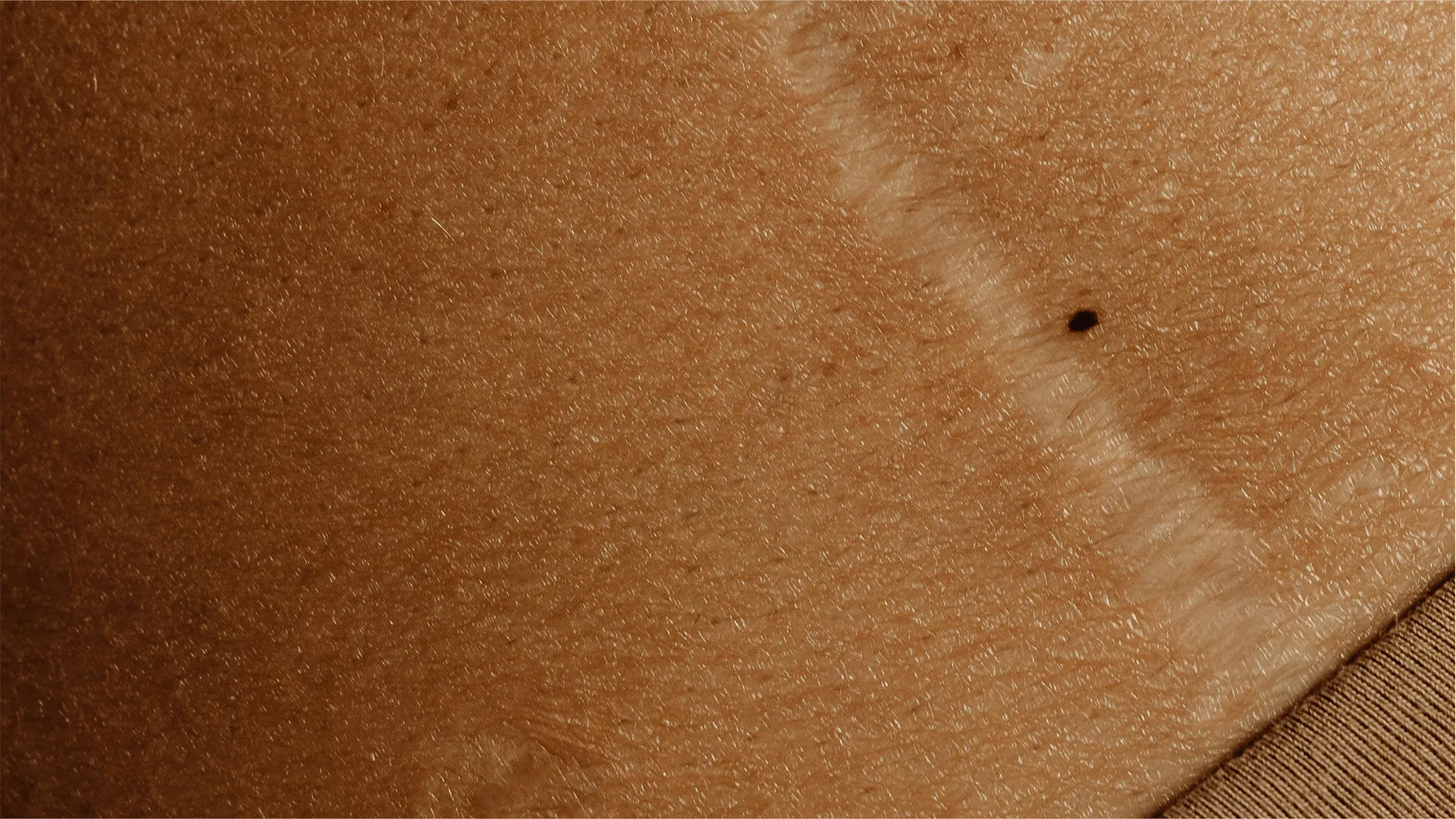
Scar camouflage tattoo & regeneration
Camouflage tattoo puts pigment into a scar so it blends closer to the skin around it. It doesn't work on every scar, and timing matters more than most people expect. These articles cover when skin is ready, how I match color, and what camouflage can and can't do.
12 articles
See the treatment →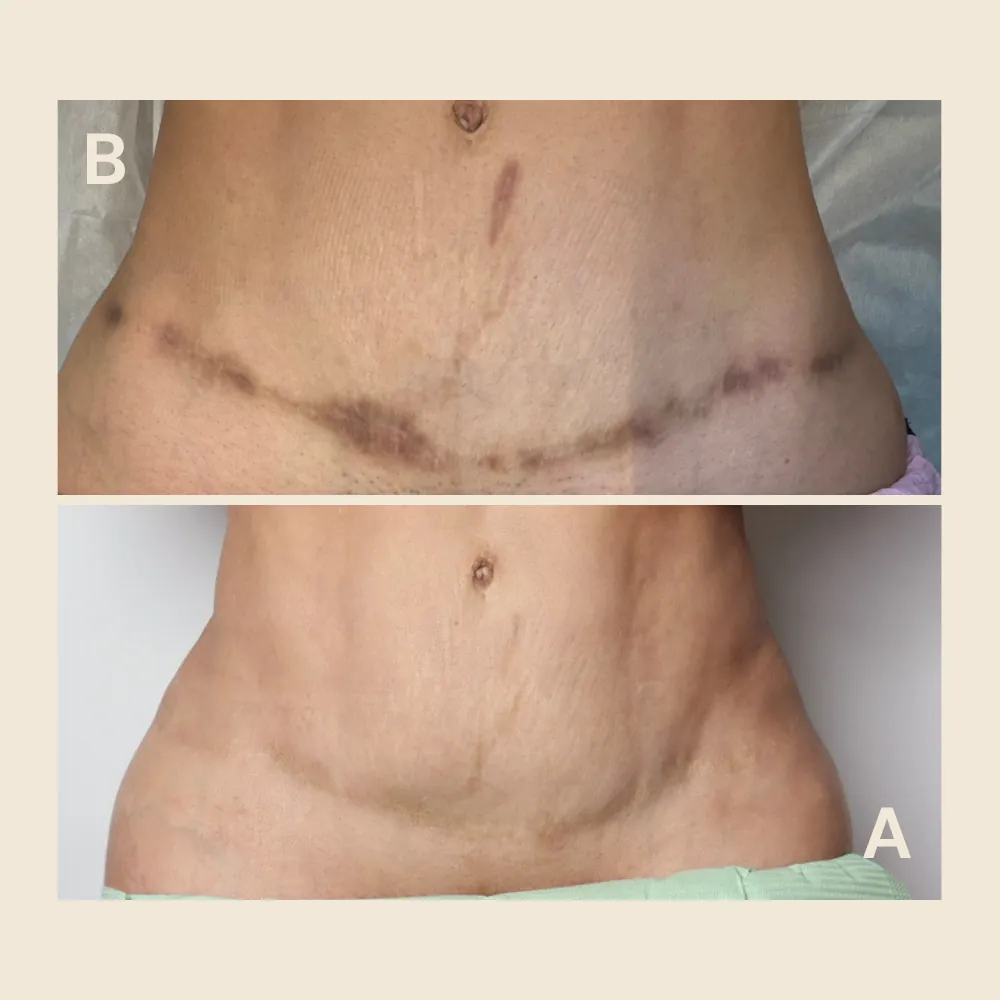
May 5, 2026
Camouflage Tattoo for Hyperpigmentation: How Dark Scars Are Neutralized
A camouflage tattoo can help with hyperpigmentation, but dark scars cannot simply be covered with a skin-tone pigment. The dark tones are neutralized first with color correction and then blended with pigments that match your skin.
April 30, 2026
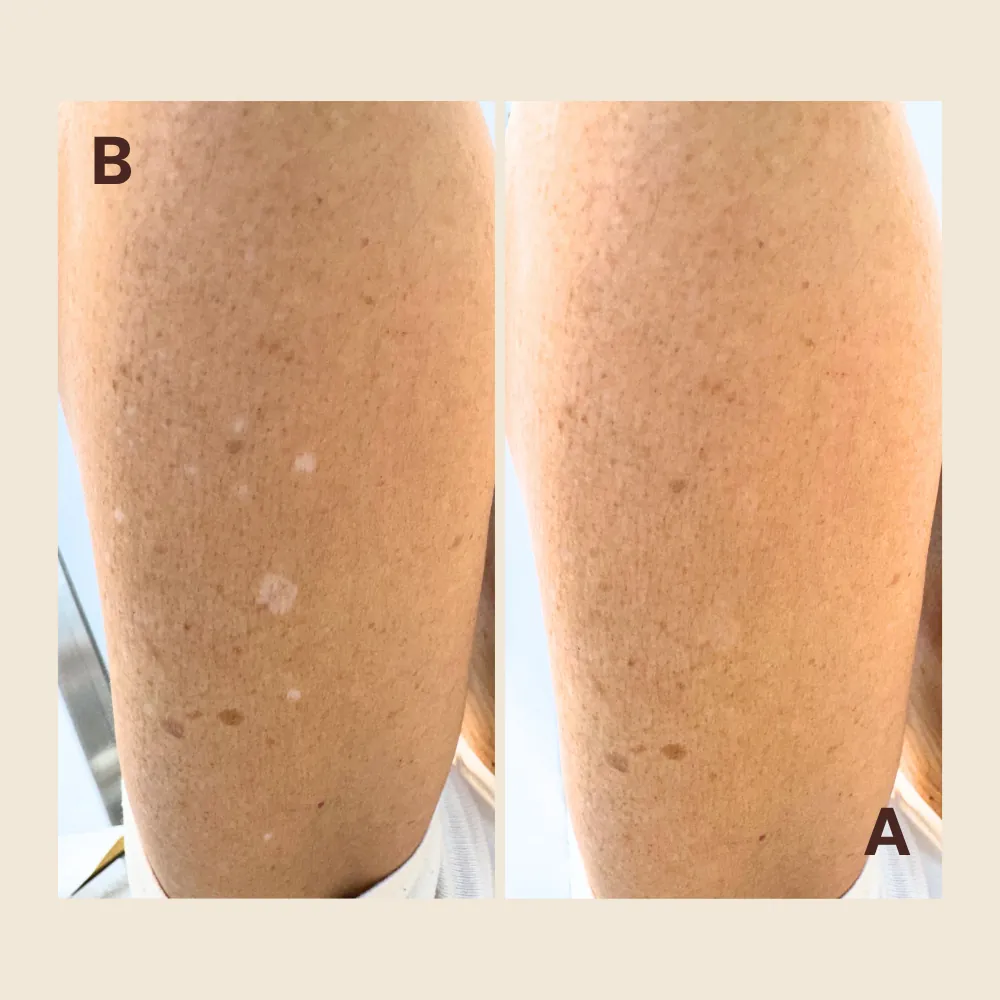
Tattooing White Spots from Sun Damage: How Camouflage Works
White spots from sun damage can be camouflaged with paramedical tattooing. Pigment matched to your natural skin tone is built in layers over 3 to 4 sessions until the spots blend with the surrounding skin.
April 23, 2026
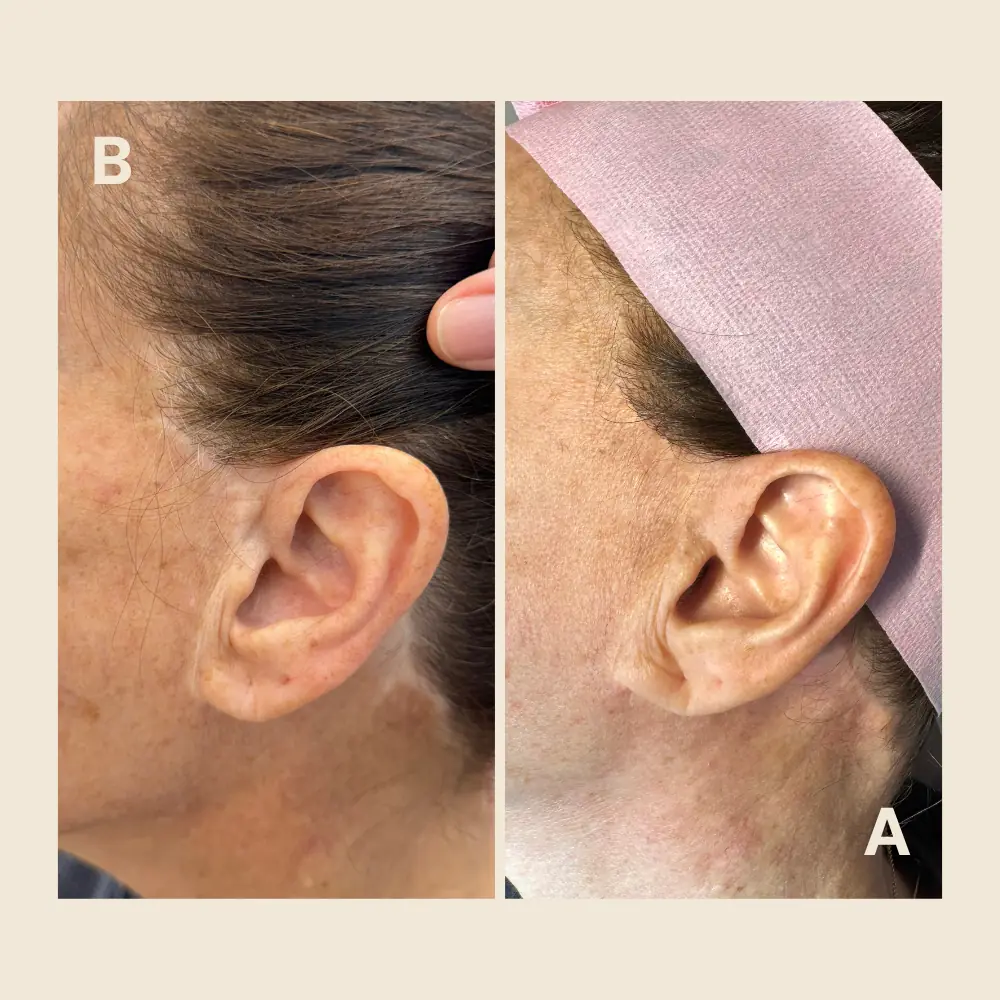
What Is a Scar Camouflage Tattoo? How It Works and Who It’s For
A scar camouflage tattoo uses specialized pigments to blend scars, stretch marks, or skin discoloration with the surrounding skin. It starts at least 6 months to a year after surgery, and light scars usually need 3 to 4 sessions or more.

April 18, 2026
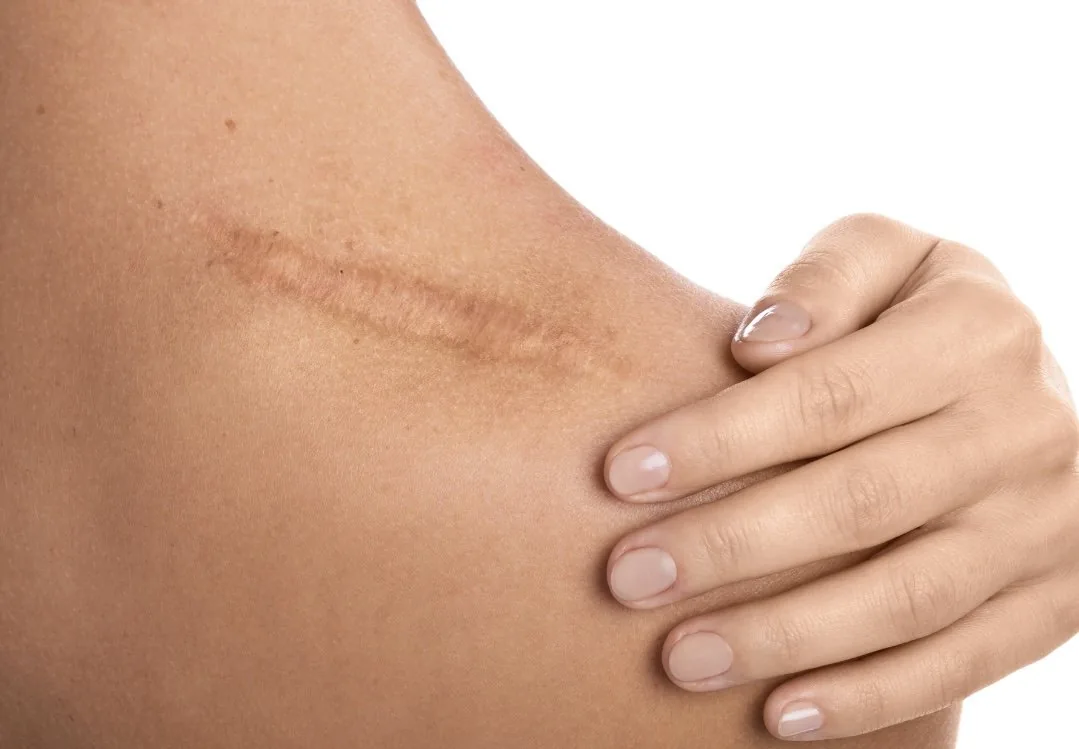
Can You Tattoo Over Keloids? Risks for Keloid-Prone Skin
Tattooing over a keloid or keloid-prone skin can trigger a new keloid or worsen an existing one. Camouflage is only an option after a specialist’s evaluation, once the scar has fully matured, and after a patch test.
December 8, 2025
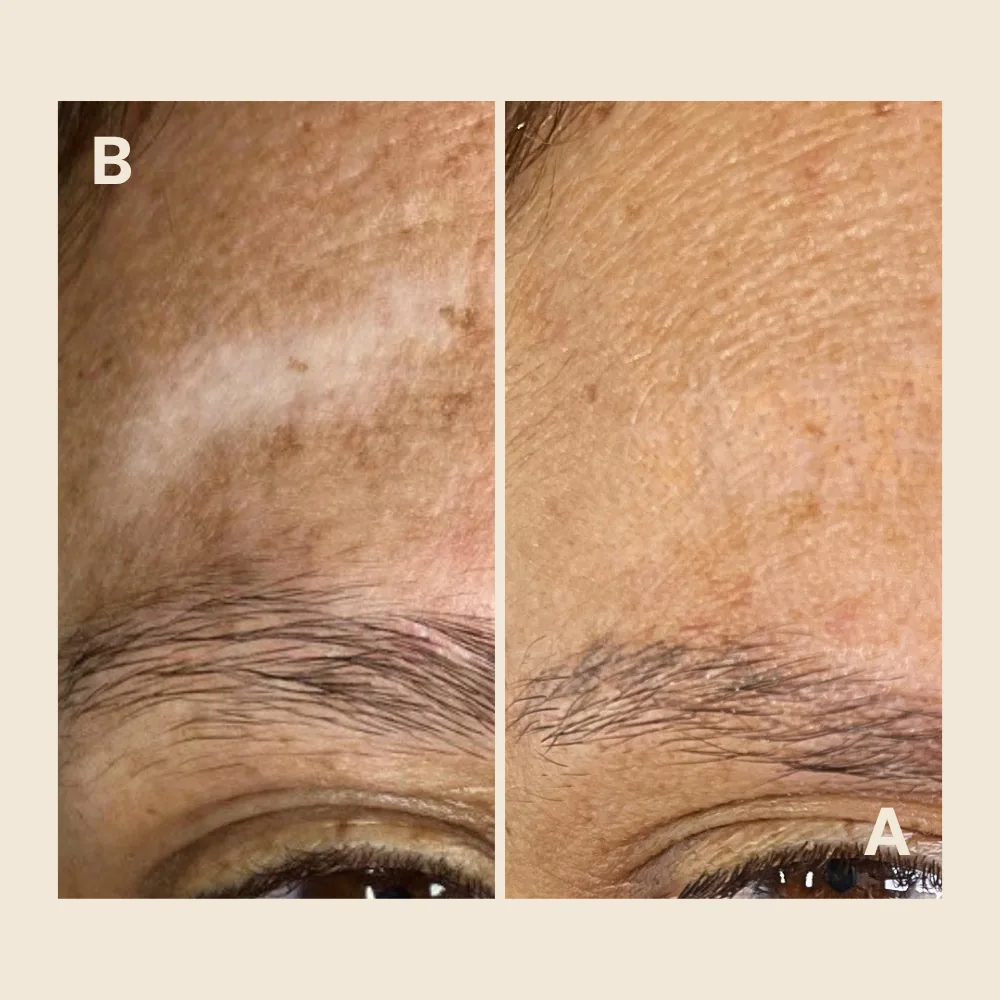
Can You Tattoo Scar Tissue? What to Know Before You Start
Scar tissue can be tattooed once the scar is fully mature, usually between 6 months and a year after surgery, and with a specialized technique. Red, pink, or purple scars are still healing and should not be tattooed.
November 7, 2025
Psychological Benefits of Scar Camouflage Tattoos
The psychological benefits of scar camouflage tattoos include higher self-esteem, less social anxiety, a sense of emotional closure, and a renewed feeling of control over your own body.

November 4, 2025
Breast Reduction and Breast Lift Scars: Treatment and Tattoo Cover Up
Breast reduction and breast lift scars can be significantly minimized, from right after surgery with the 90-Day Scar Concierge program or starting at around 6 months, and once they are ready, they can be covered with a scar camouflage tattoo.
November 3, 2025
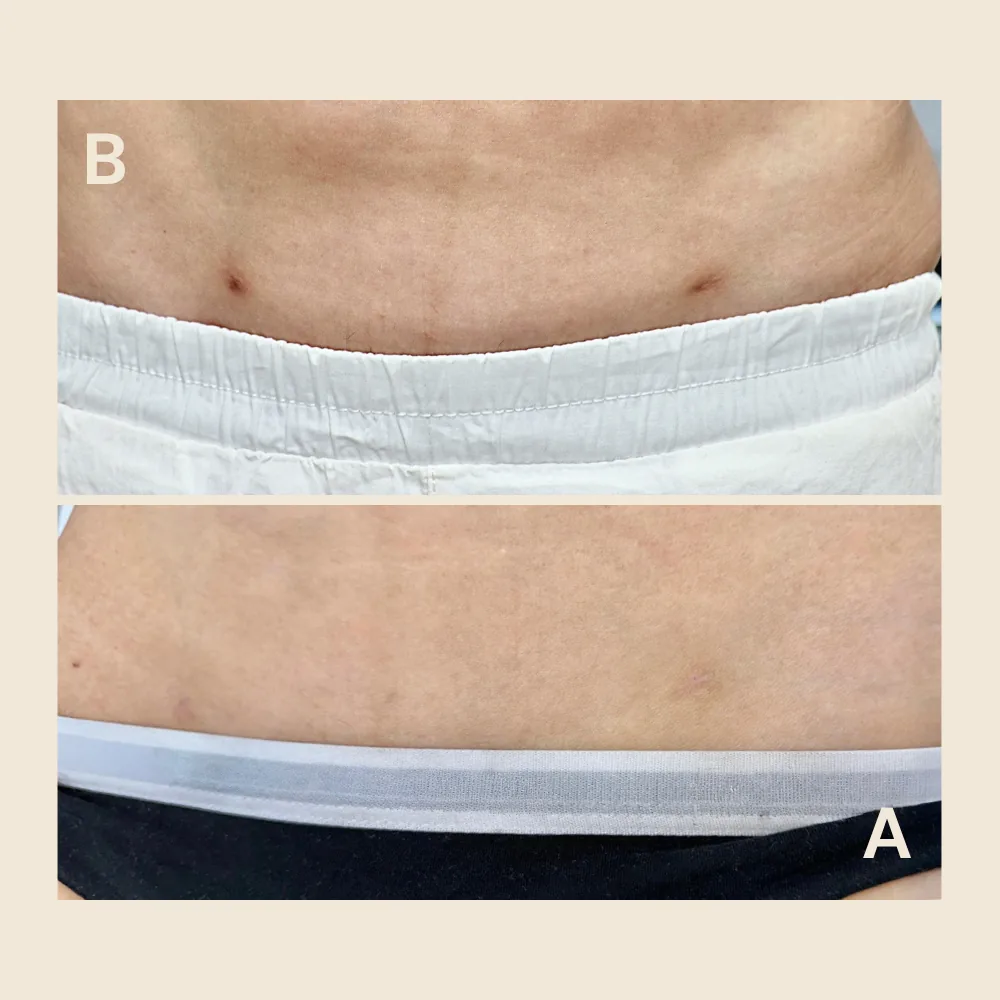
Liposuction Scars: What They Look Like and How to Treat Them
Every liposuction incision leaves a scar, and despite their size, lipo scars are often dark and hard to treat. Treatment can start right after surgery with the 90-Day Scar Concierge program, or at around 6 months.
October 29, 2025
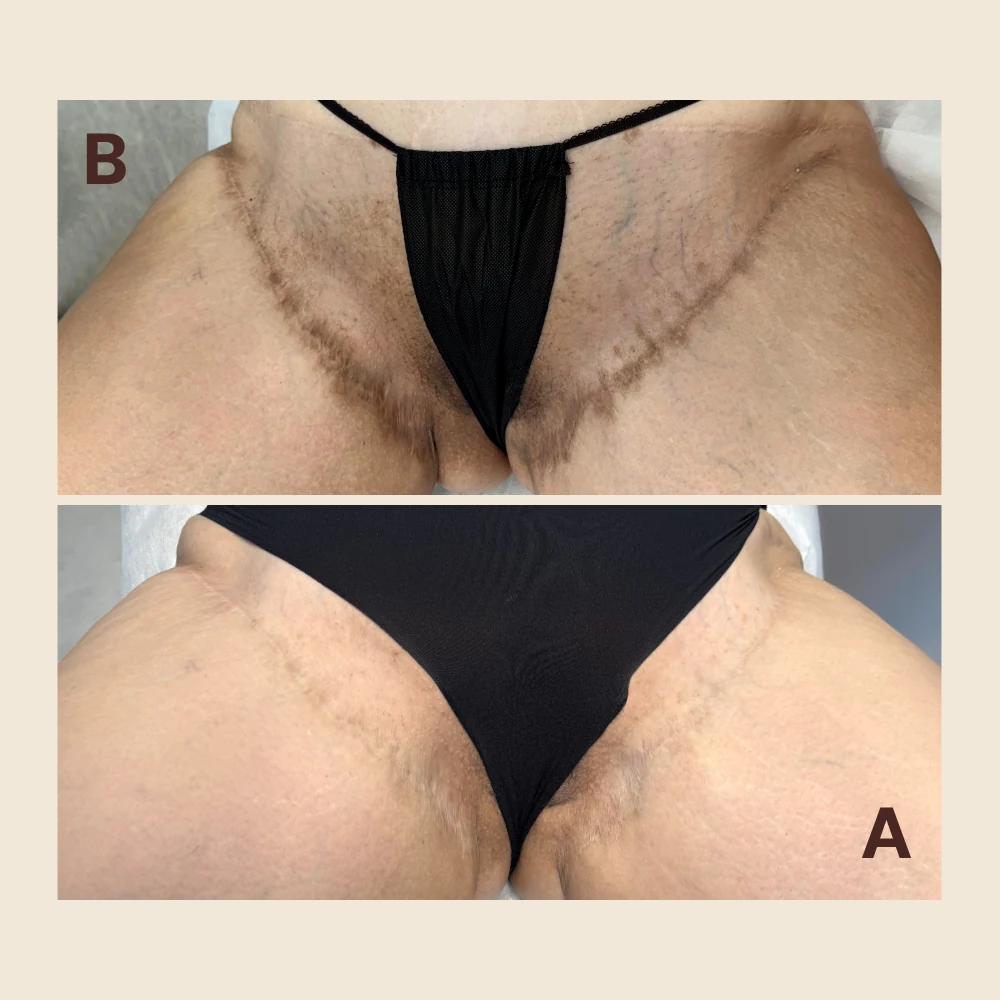
How to Naturally Improve Scars: Why Regeneration Comes Before Camouflage
The best natural way to improve a scar is to support the skin’s own regeneration: prepare the scar tissue, space treatments every 60 to 90 days, and keep the skin hydrated. Camouflage comes once the skin is ready.
October 20, 2025
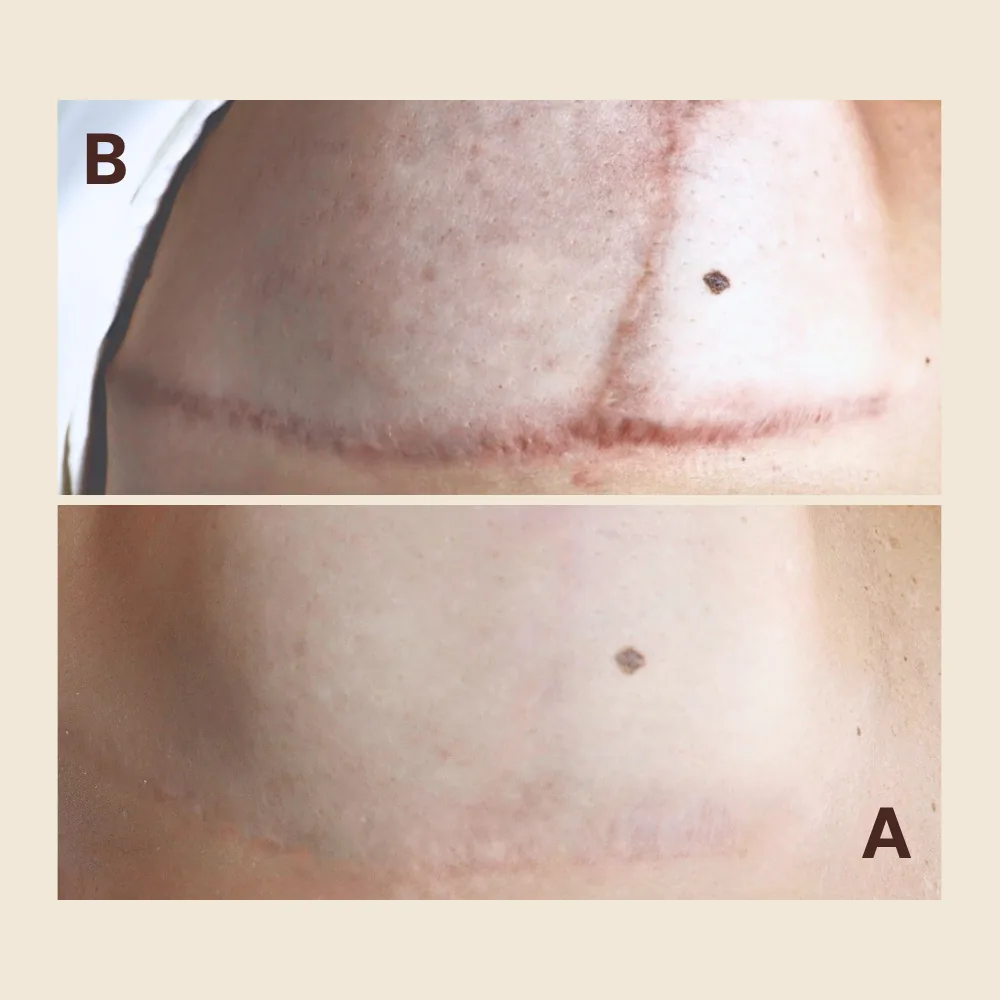
Scar Management and Camouflage: Why I Prepare the Scar Before Tattooing It
Scar camouflage works best on a scar that has been treated first. Scar tissue is denser and less even than healthy skin, so pigment applied over an unprepared scar takes unevenly and the texture still catches the light. Regeneration before camouflage gives the pigment a better surface to hold onto and a more natural result.
October 17, 2025
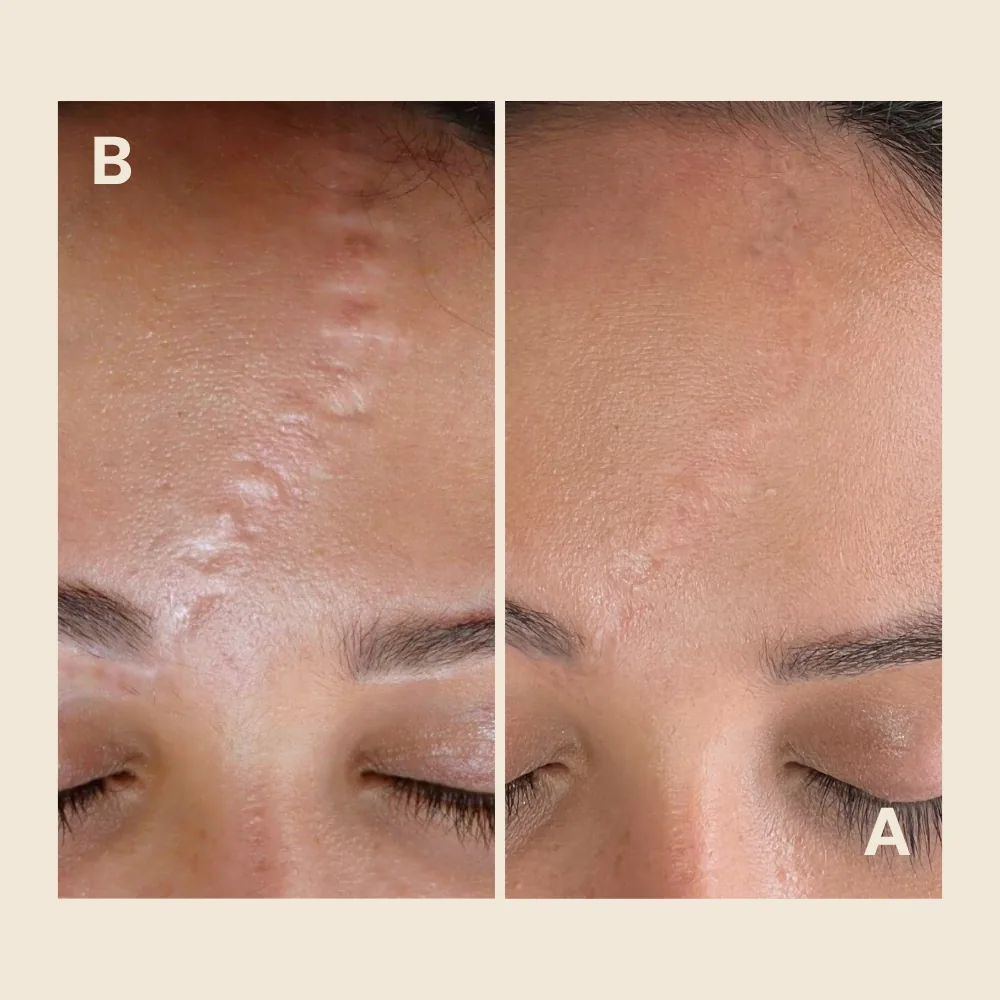
Non-Surgical Scar Revision: Can Scar Tissue Be Removed Without Surgery?
Scar tissue usually can’t be removed without surgery, but non-surgical scar revision can soften, blend, and even out a scar with regenerative therapy, texture correction, and paramedical camouflage.
October 10, 2025
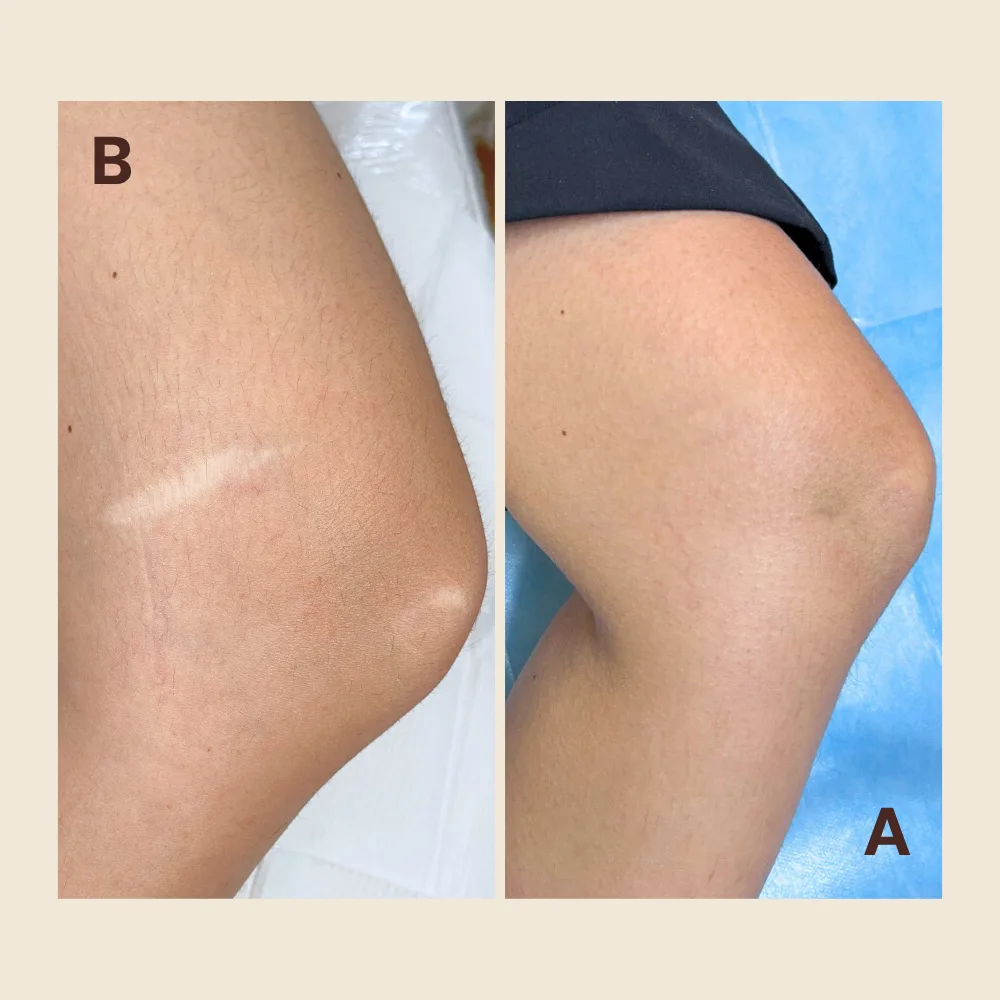
What Is Paramedical Tattooing? How It Works and What It Can Treat
Paramedical tattooing, also known as medical or restorative tattooing, uses pigments matched to your skin to improve scars, burns, stretch marks, loss of pigmentation, and areolas after surgery.