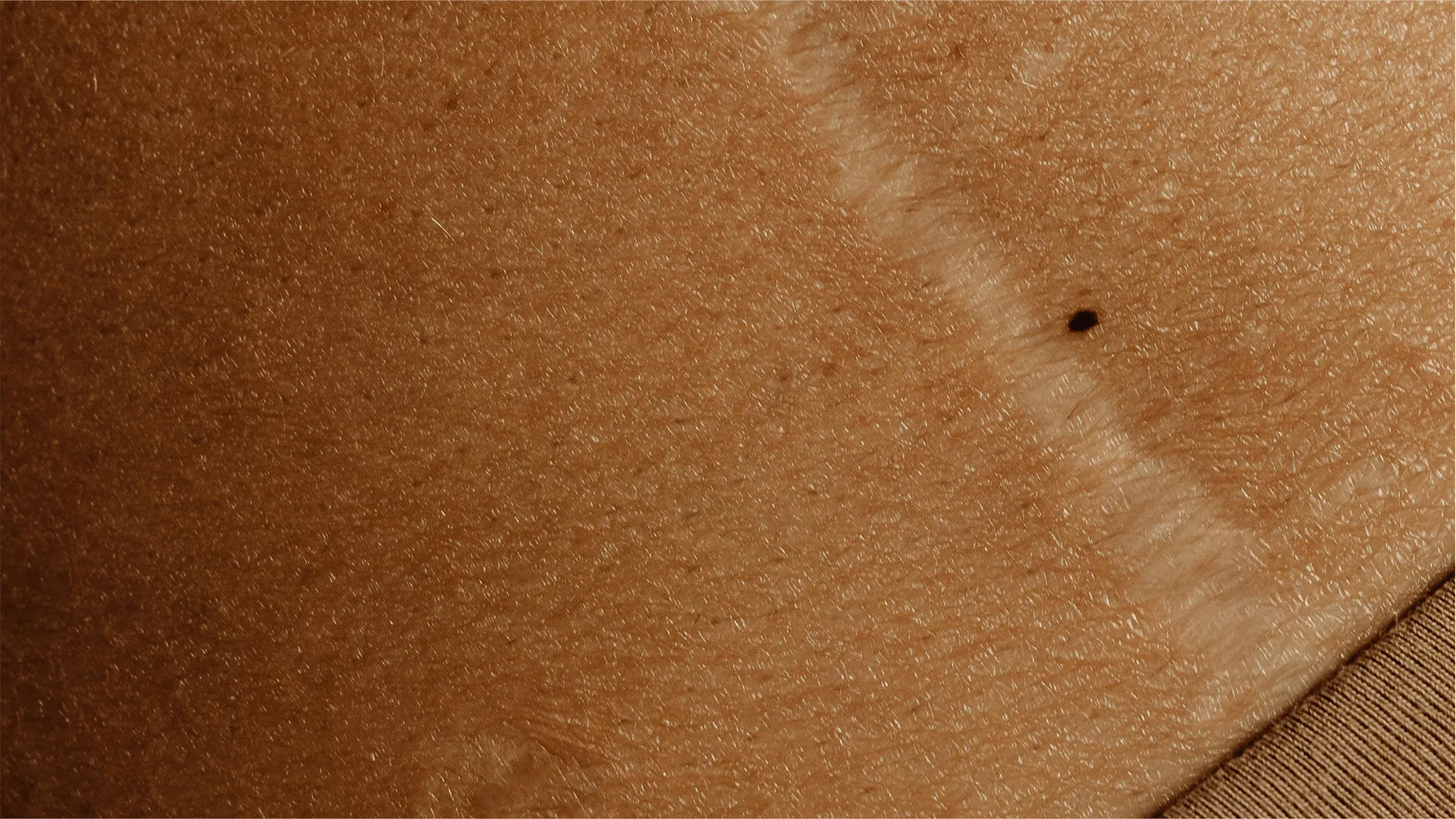
Scar treatment and healing
Every scar goes through the same stages, but the timeline is different for each person. These are my notes on what happens under the skin while a scar matures, what to do before and after surgery, and the daily care that changes how a scar ends up looking.
22 articles
See the treatment →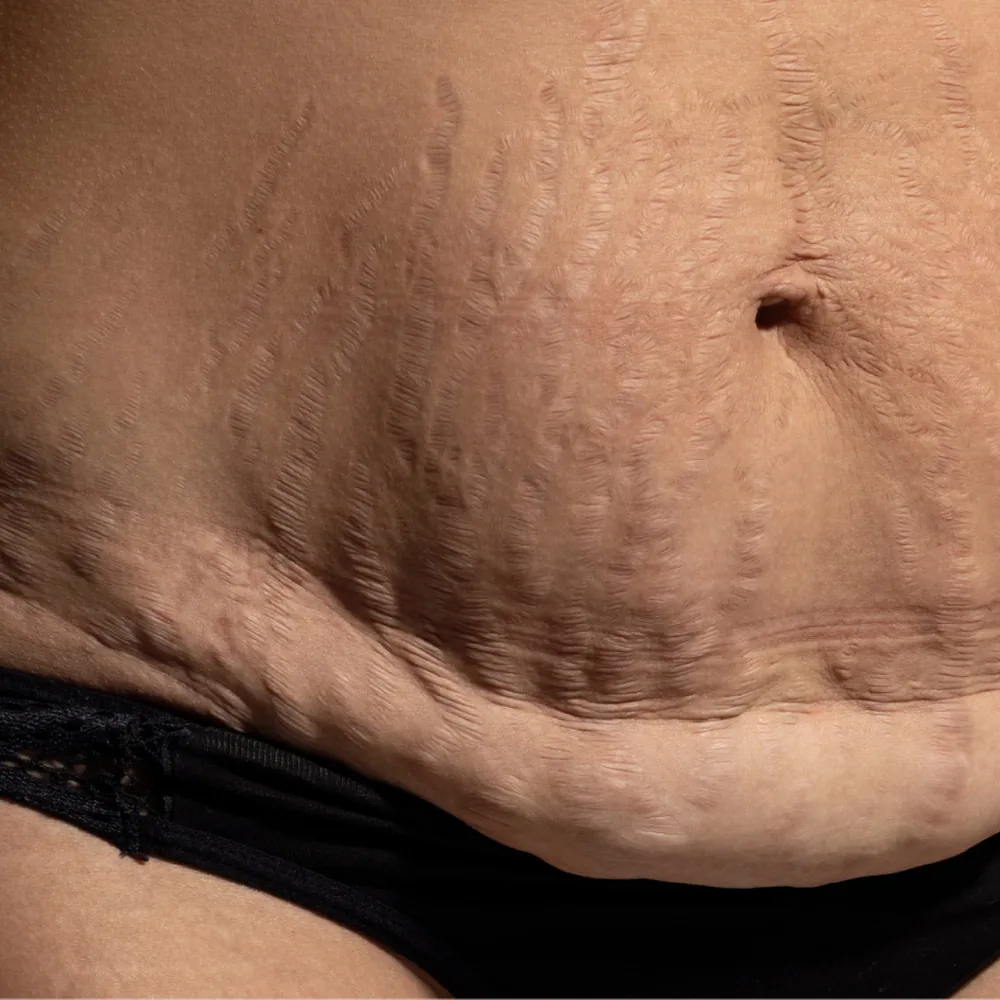
October 12, 2026
Lost a Lot of Weight? 5 Things to Discuss With Your Surgical Team Before Body Contouring
If you've lost a lot of weight and you're planning body contouring, talk to your surgical team about five things that can affect your scar: stable weight, loose skin, healing readiness, GLP-1 use, and who will care for your scar after surgery.
April 27, 2026
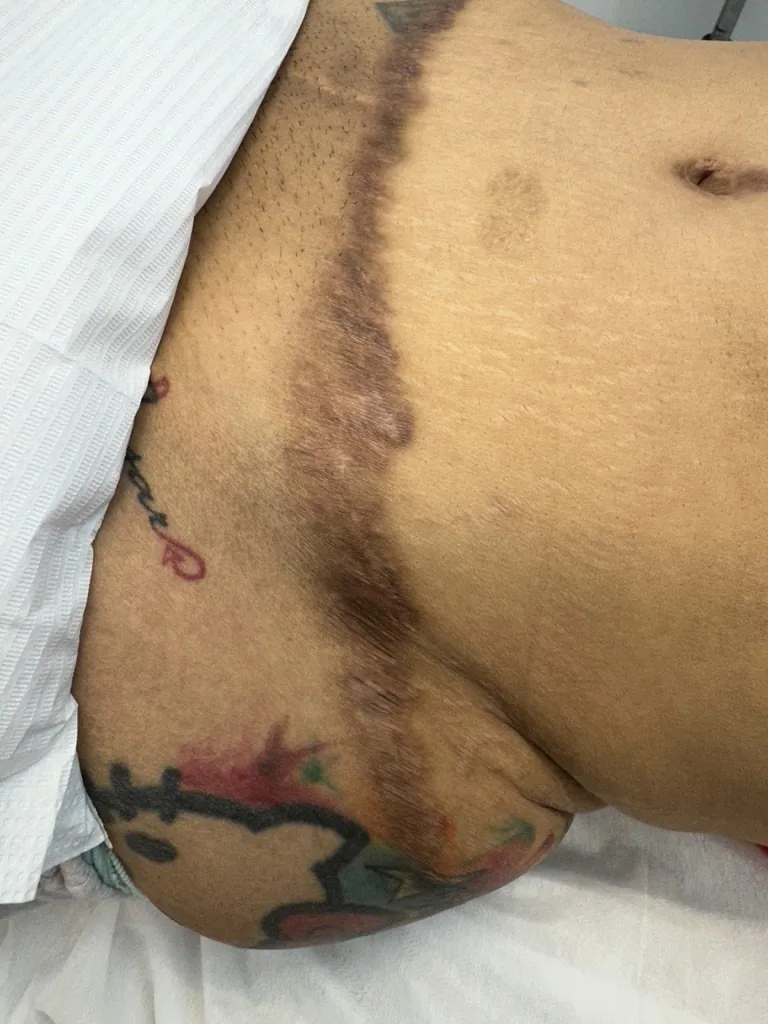
Dark Scars After Surgery: Why They Happen and How to Prevent Them
A dark scar is usually a sign of post-inflammatory hyperpigmentation. Inflammation, sun exposure, friction, and genetics are the main causes, and sun protection, gentle care, and friction control are the best ways to prevent it.
April 21, 2026
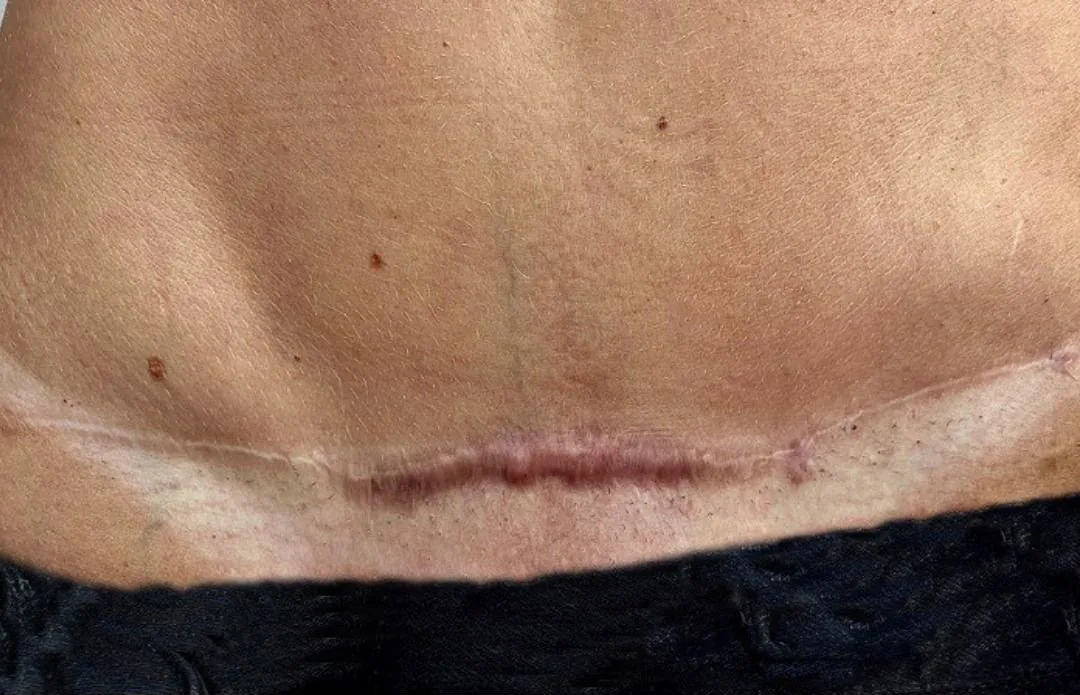
Hypertrophic Scar Healing Stages: Timeline and When to Treat
A hypertrophic scar goes through four stages: inflammation, proliferation, maturation, and resolution. Without help, it may take 12 to 18 months to soften. Treatment can start right after surgery with the 90-Day Scar Concierge program, or at around 6 months.

April 13, 2026
Scar Healing Foods: What to Eat (and Avoid) to Heal Scars Faster
Foods rich in protein, vitamin C, zinc, omega-3 fatty acids, and vitamin A, plus plenty of water, support collagen and reduce inflammation. Processed sugars, refined carbohydrates, and fried foods can slow skin repair.
April 10, 2026
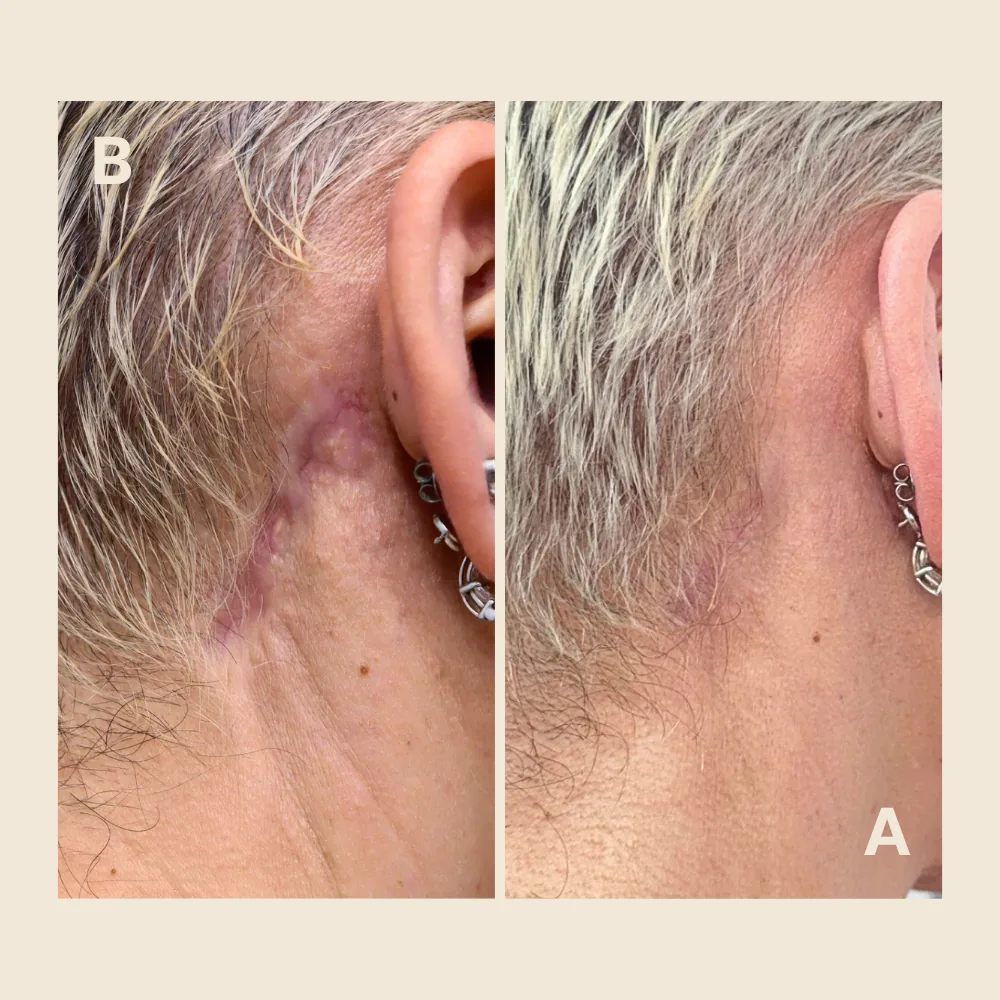
Scar Healing Stages and Timeline: What Happens From Week 1 to Month 18
Scars heal in three stages and keep maturing for 12 to 18 months. What to expect month by month, when a scar flattens and fades, and how to protect it along the way.
March 4, 2026
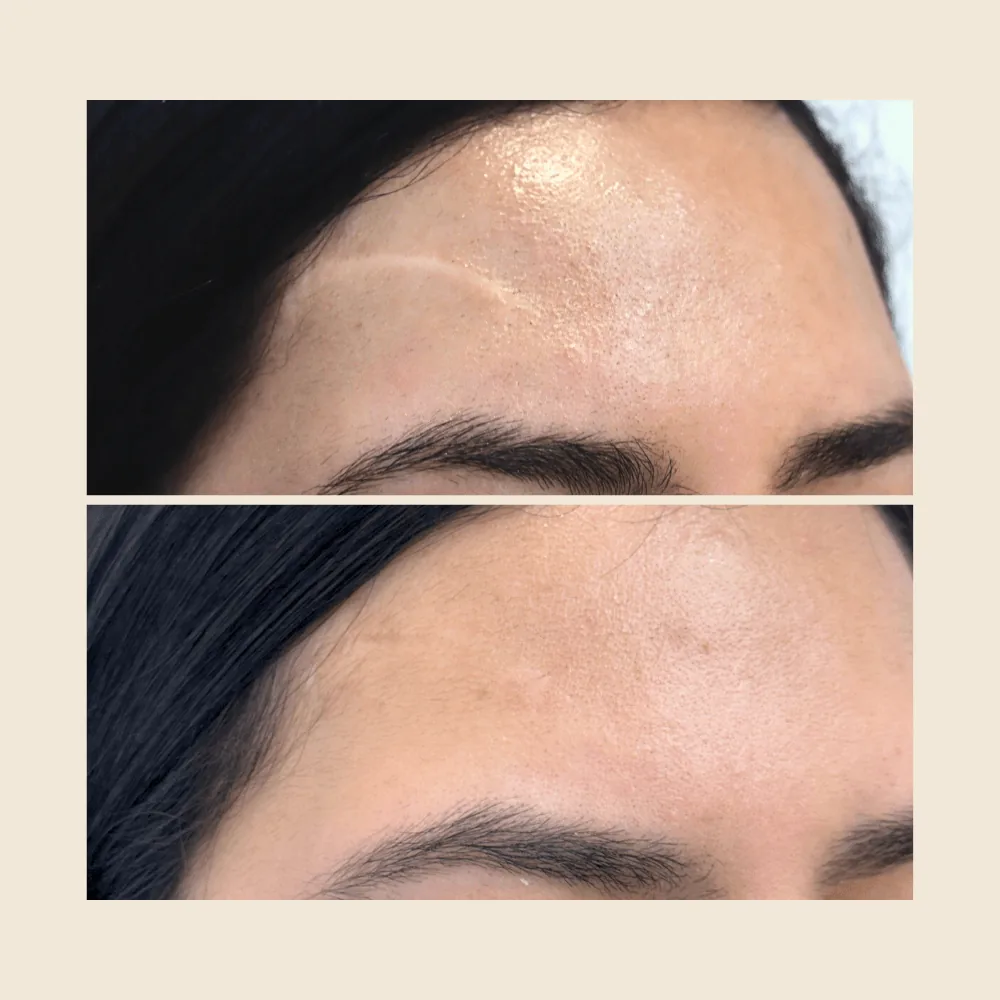
How Long Does Scar Treatment Take? The Truth About Real Results
Look, we live in a city where you can get anything delivered in fifteen minutes, but your skin didn't get the memo. Collagen doesn't have a 'rush' button, and your biology doesn't care about your deadline. If you're chasing a one-and-done miracle, you're looking for a filter, not a specialist. Real transformation takes cycles, not sessions. Let’s talk about why patience is the only way to get a scar that actually stays out of the spotlight
March 2, 2026
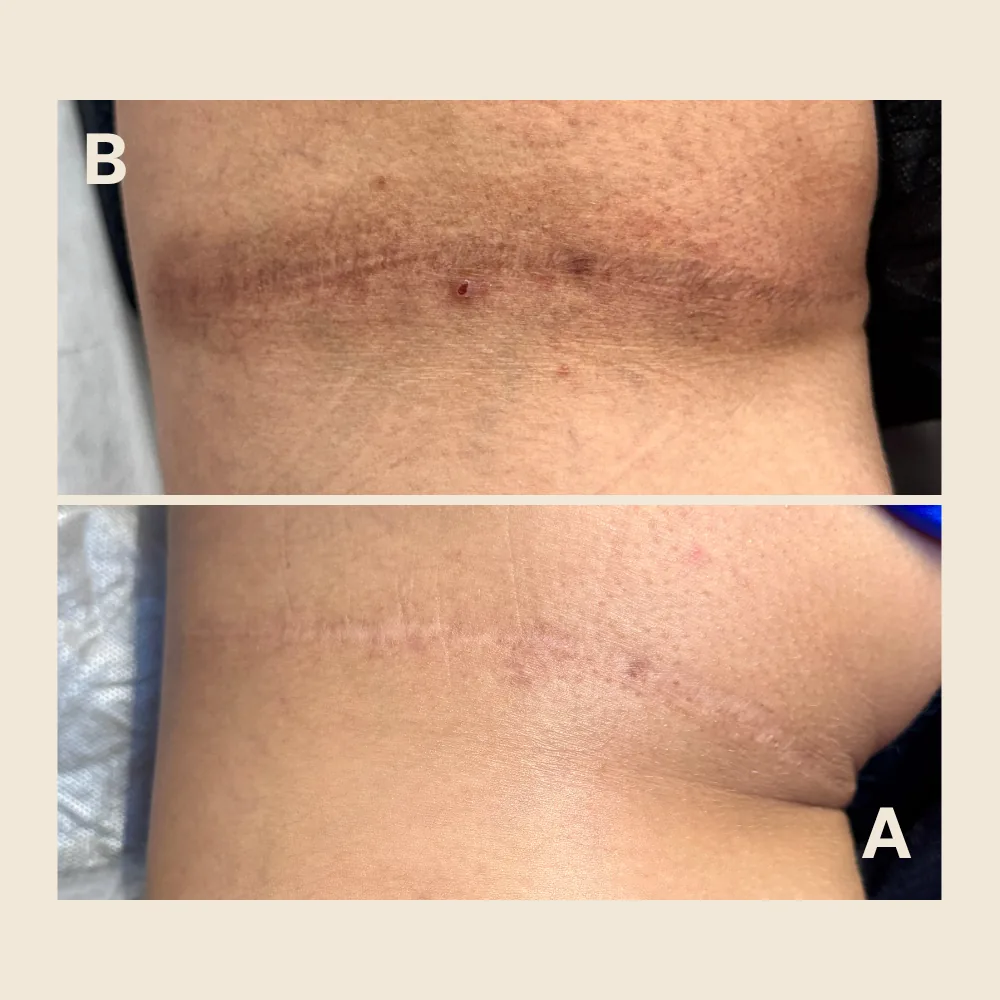
Starting Scar Treatment in Winter: Regeneration, Camouflage, and Results by Summer
Starting scar treatment in winter lets your skin go through regeneration, camouflage, or both in a calmer environment, so the scar is already improved by summer.
February 25, 2026
Hydroquinone for Scars: Is It Safe, and What Are the Alternatives?
Hydroquinone can help scar hyperpigmentation only in short, supervised cycles. Prolonged or unsupervised use, and unregulated lightening creams, can damage the skin. For body areas, a non-acid natural peel is a gentler option.
February 23, 2026
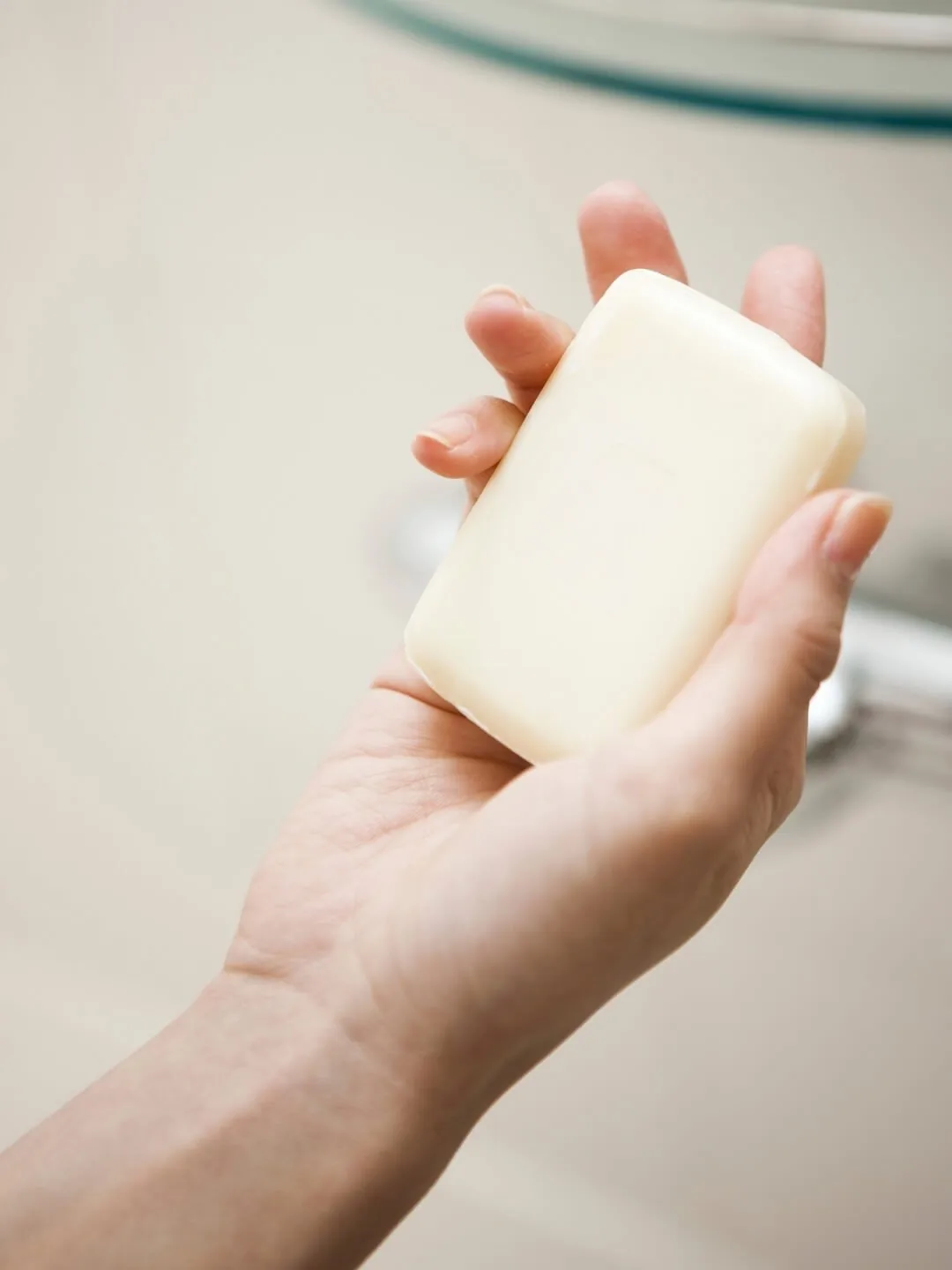
The Best Soap for Scars (Including Scars on Your Legs)
The best soap for a healing scar, including leg scars, is a gentle, fragrance-free, pH-balanced cleanser used with your fingertips and lukewarm water. Here is what to use, what to avoid, and how to wash.

February 16, 2026
The Science Behind Scar Massage: Why Touch Supports Healing
Are you still afraid to touch your scar? You’re not alone. But in my Manhattan practice, I see how intentional massage transforms tight, restricted tissue into something supple and comfortable. It’s not just a ritual—it's biology. Here is why touch is your most powerful (and free) recovery tool.
February 13, 2026
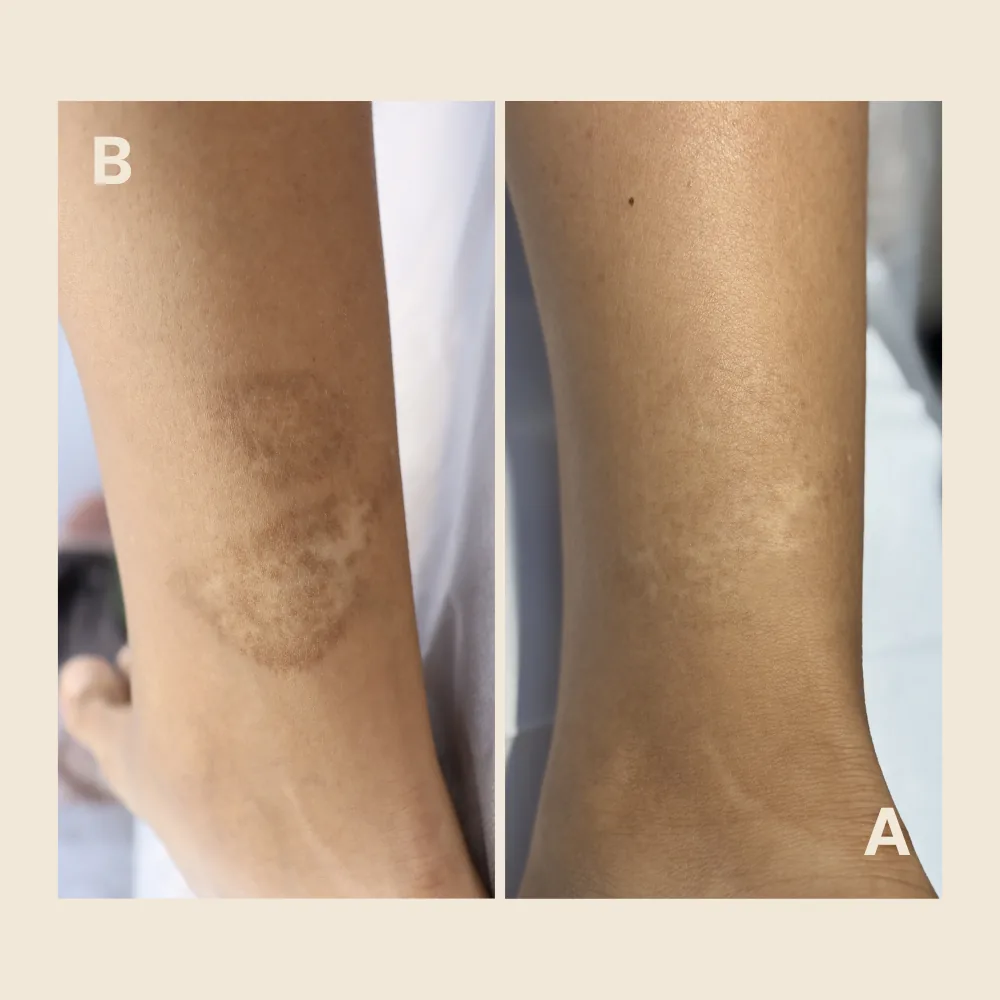
Burn Scar Treatment: Why These Scars Require Specialized Care
A burn scar isn't just a surface mark; it’s a multi-layered survival story. In my NYC studio, I see clients who’ve been told their skin 'is what it is'—but that’s rarely the truth. Burn tissue needs more than just a cover-up; it needs structural restoration. Here is why specialized care is the only way to reclaim your comfort and your skin.
February 11, 2026
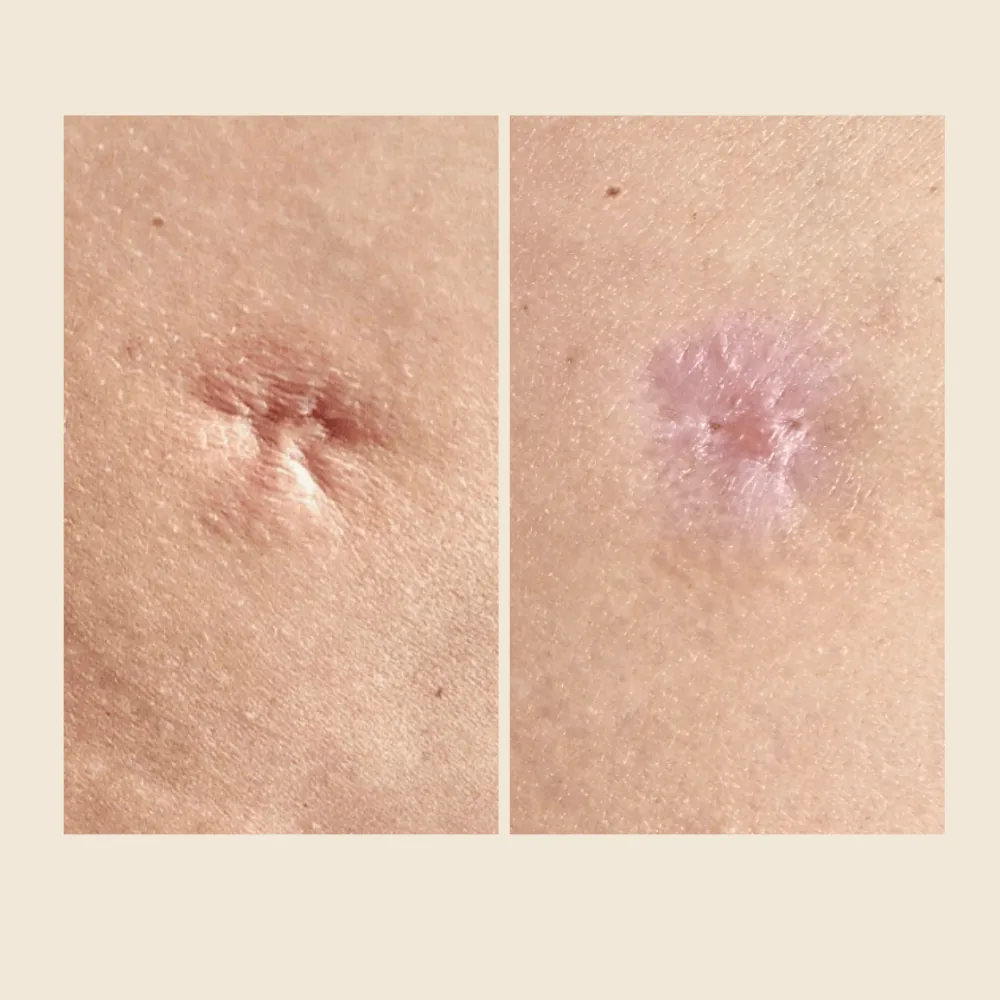
Why Atrophic Scars Don’t Fill in on Their Own (And What Actually Helps)
Waiting for your acne scars to fill in on their own? I hate to be the one to tell you, but biology doesn't work that way. Atrophic scars are structural deficits, not surface issues. Here is why time won't fix them and what actually triggers real volume regeneration in my Manhattan studio.
February 9, 2026
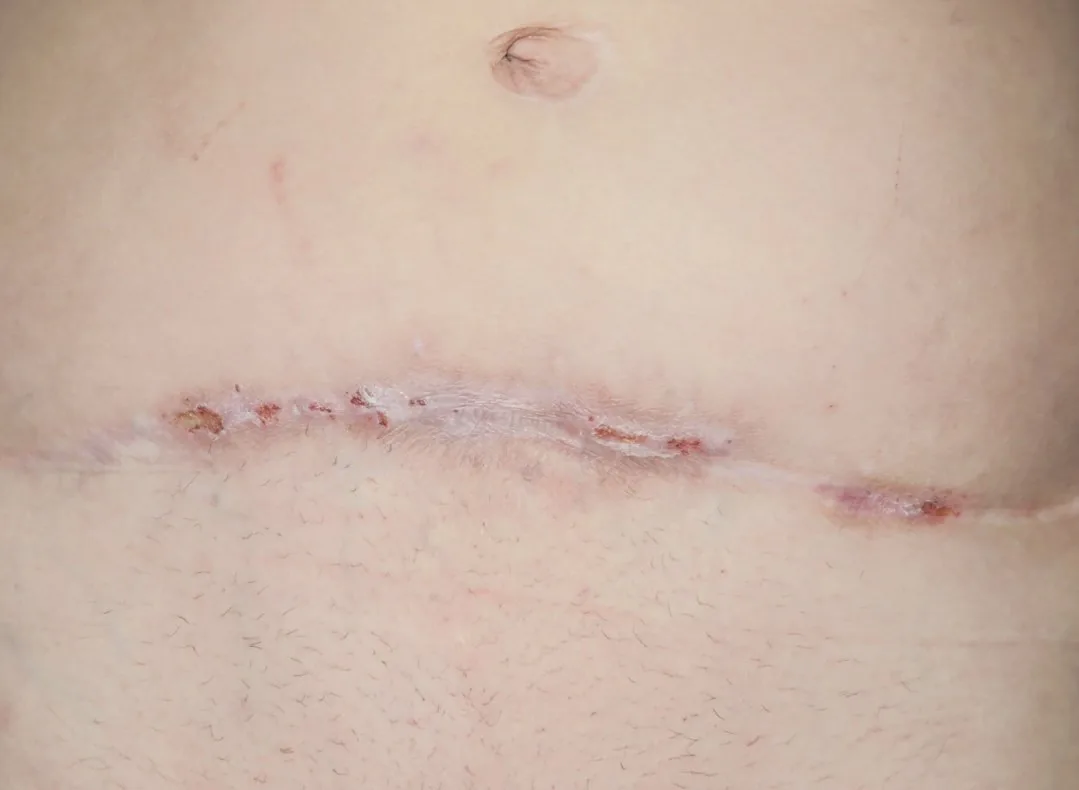
How Tight Clothing and Friction Can Affect Scar Healing
Think your waistbands are harmless? Think again. Mechanical friction is the silent enemy of a smooth scar. In my NYC studio, I see so many clients whose healing was stalled by tight clothes or bra straps. Here’s why your outfit choice matters more than you think.

February 6, 2026
Is Winter the Best Time for Scar Treatment? Why the Season Matters
Winter is a strategic time to treat scars because lower UV exposure, heat, and sweat reduce the risk of hyperpigmentation and irritation after treatment, as long as the scar is biologically ready.

January 19, 2026
When Is the Right Time to Treat a Scar?
Scar care can start before surgery with the 90-Day Scar Concierge program, which also covers the first 90 days of healing; otherwise, treatment usually begins at around 6 months. Camouflage comes at least 6 months to a year after surgery.
January 15, 2026
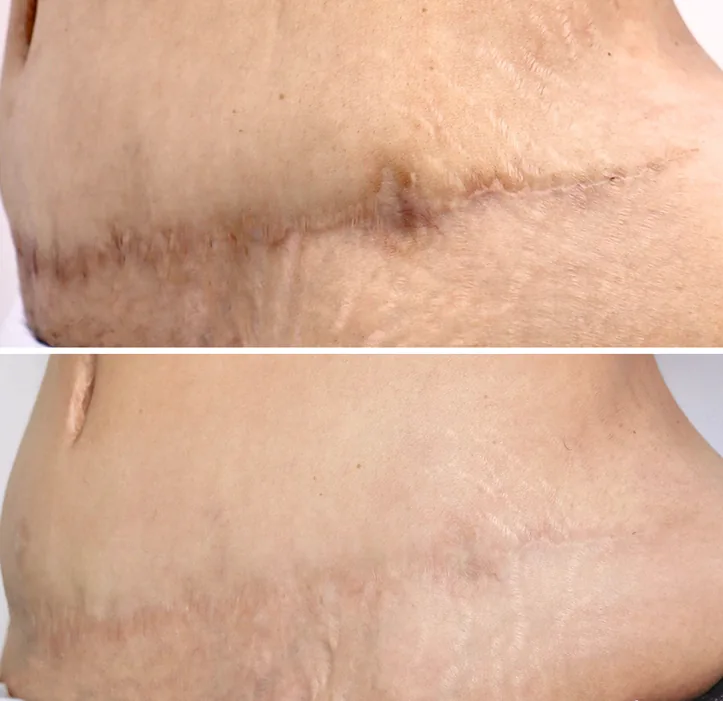
Tummy Tuck Scar Healing: Why It Darkens and How to Improve It
Tummy tuck scars can heal dark, raised, or wide because of their length, tension, and uneven blood supply. Hyperpigmentation is especially common on dark skin, and non-surgical regeneration can help even years later.
January 5, 2026
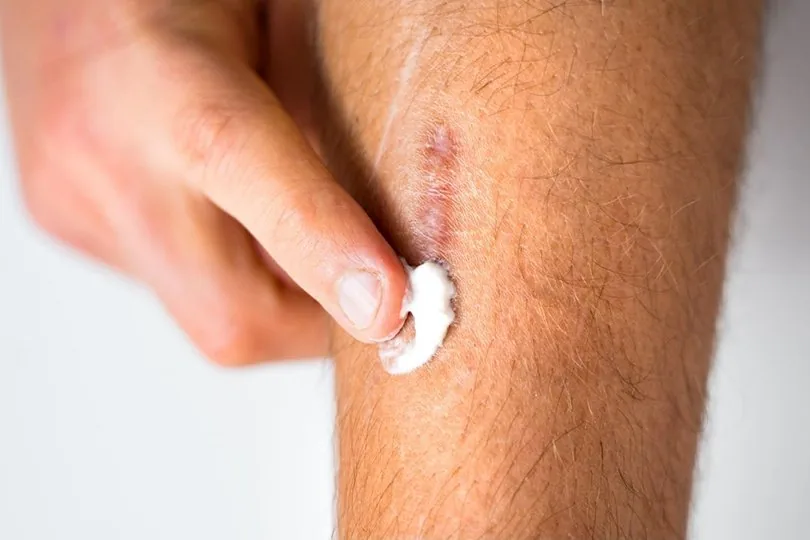
Why Scar Creams Don’t Work on Mature Scars, and What Actually Helps
Scar creams act only on the surface, while mature scars change beneath it. Creams help in early healing, but old scars need regenerative treatment, and layering more products often makes things worse.
December 1, 2025
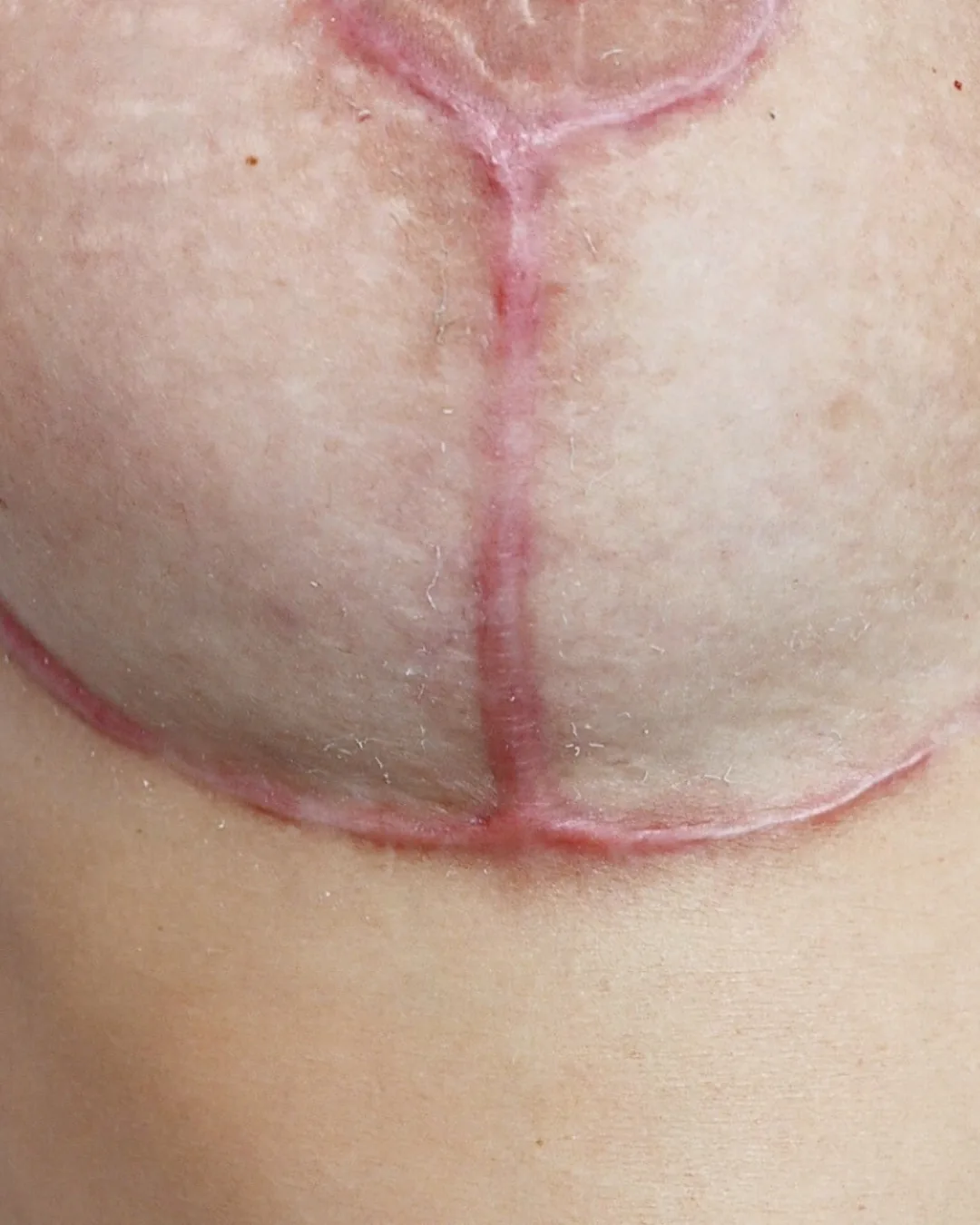
Hypertrophic Scar vs. Keloid: How to Tell the Difference
A hypertrophic scar stays within the original wound and usually stops growing, while a keloid spreads beyond it and can keep growing for years. Telling them apart matters, because some treatments can make a keloid worse.

October 22, 2025
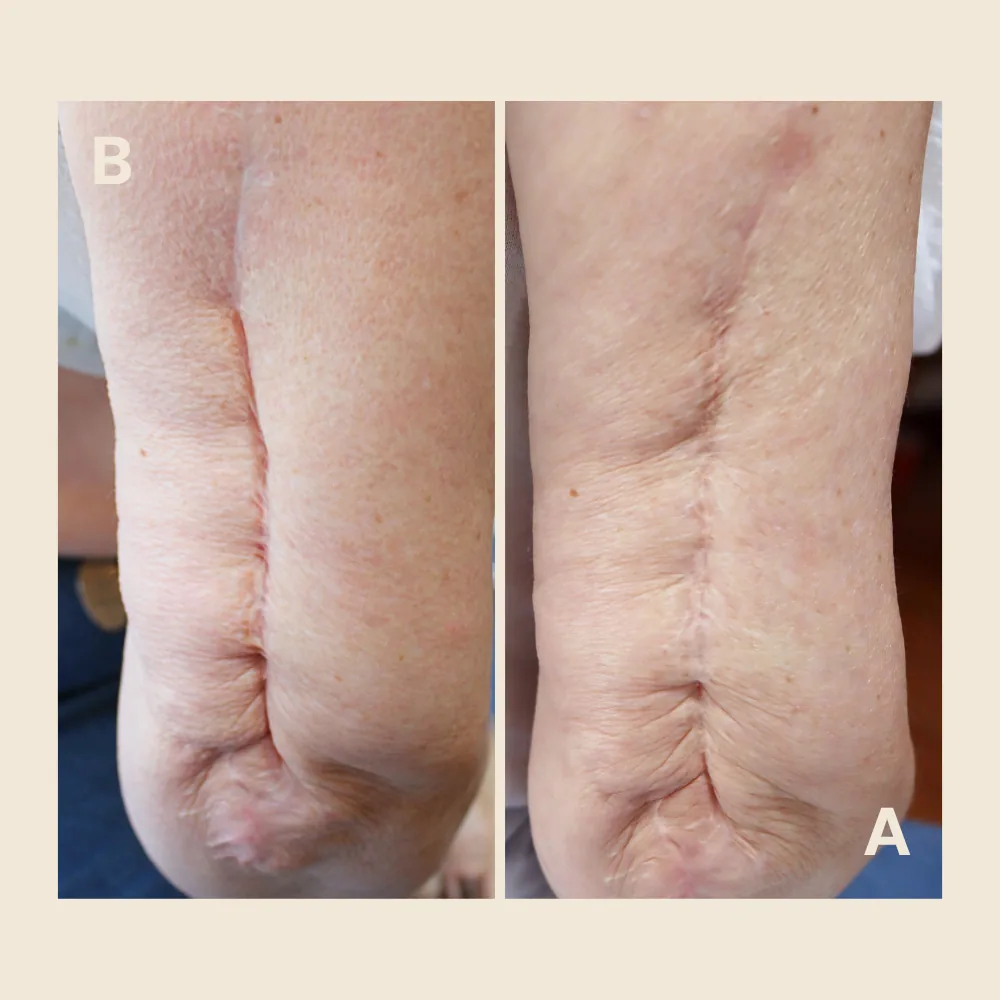
Hydration and Scar Healing: How to Heal Better and Prevent Visible Scars
Hydration helps scars heal by supporting cell turnover, collagen, and the skin barrier. Moist wound healing works better than letting a wound dry out, and the best approach combines topical and internal hydration.
July 17, 2025
Hypertrophic Scar vs. Atrophic Scar: What’s the Difference?
A hypertrophic scar has too much collagen, so it is raised and thick. An atrophic scar has too little, so it is sunken or indented. Here is how to tell them apart and how each one is treated.

June 27, 2025
Stretched Scars: Why Scars Widen and How to Improve Them
A stretched scar widens because the healing wound was under tension, especially in the first six months after surgery. It can be supported from right after surgery with the 90-Day Scar Concierge program, or improved from around 6 months.
June 25, 2025
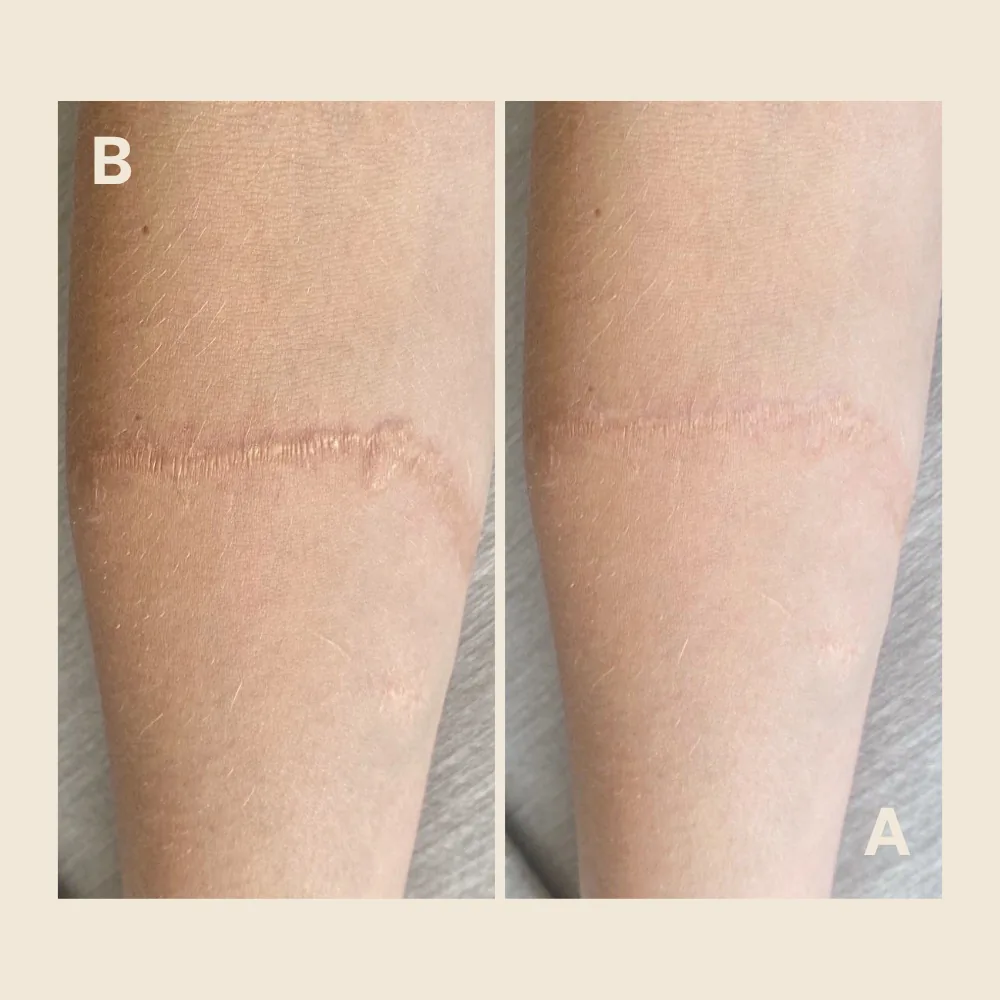
Hypertrophic Scars: How to Recognize, Prevent, and Treat Them
A hypertrophic scar is a raised, firm scar that forms when your body makes too much collagen while a wound heals. It stays within the edges of the original injury, often looks red, pink, or darker than your skin, and usually appears within weeks. Many soften over time, but most need help to flatten.